
Gravel Driveway vs. Paved and Why Each Has Its Own Loyal Fanbase
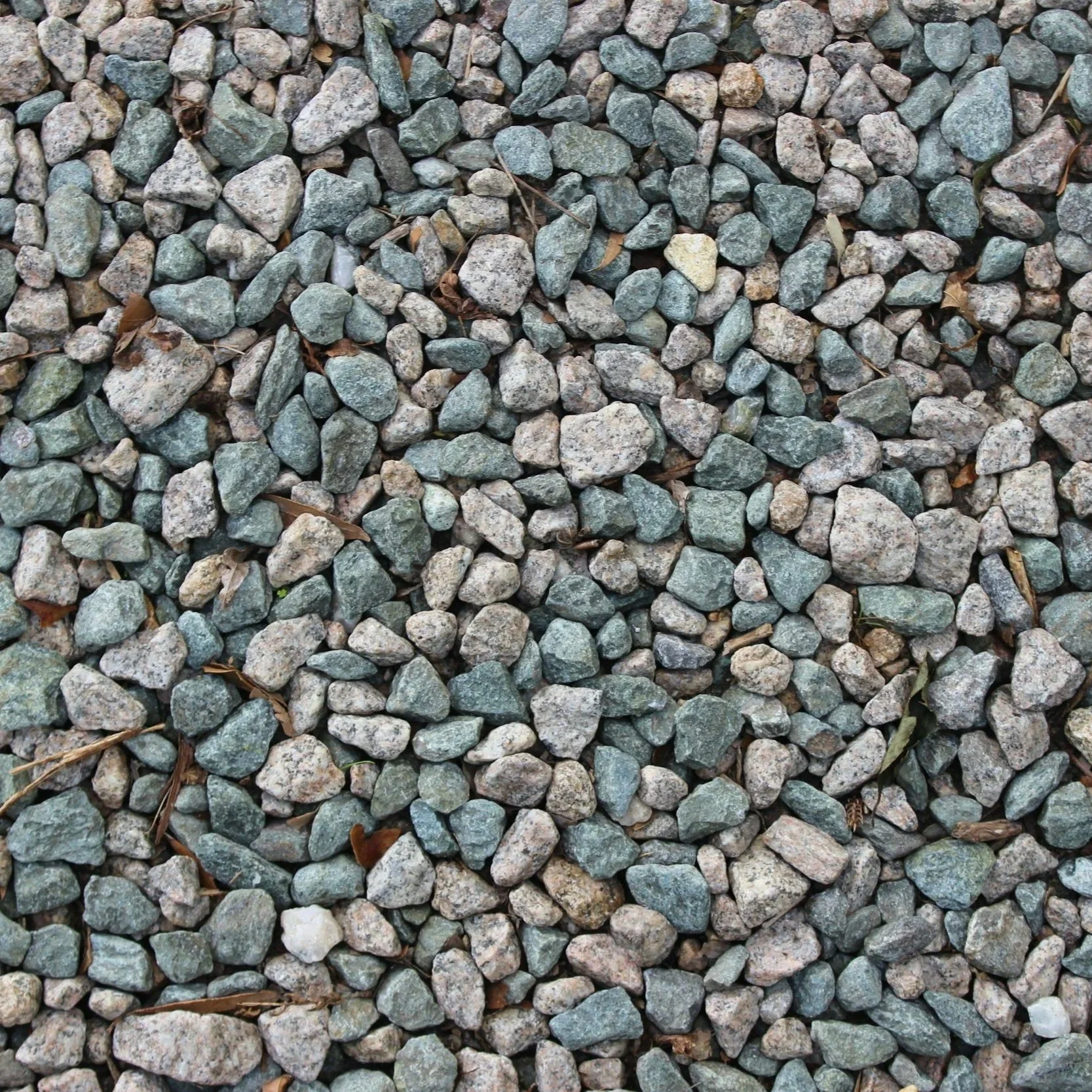
Whether you’re building a new driveway or thinking of replacing your current one, understanding the pros and cons of gravel versus paved surfaces can help you make the best decision for your property.
When it comes to driveways, two types of surfaces stand out as the top contenders: gravel and paved. Both have their own dedicated followers who swear by their choice, and while they serve the same basic function—providing a space for vehicles to park and travel—each offers its own set of advantages. Whether you’re building a new driveway or thinking of replacing your current one, understanding the pros and cons of gravel versus paved surfaces can help you make the best decision for your property.
The Gravel Driveway Charm
Gravel driveways have been a staple of rural and suburban landscapes for years, and their timeless appeal continues to win over homeowners. One of the most significant advantages of gravel is its affordability. Compared to paved options, gravel is much less expensive to install. The materials required are widely available and low-cost, making it a popular choice for budget-conscious homeowners who want a functional driveway without breaking the bank.
Another major perk of gravel driveways is their easy maintenance. While paved driveways may crack, fade, or even buckle over time, gravel needs to be replenished and re-leveled now and then. Small amounts of gravel can be added as needed, and since the surface is already loose, it’s much easier to fill in low spots or correct uneven areas. Gravel also provides excellent drainage, which is ideal for areas with heavy rainfall. The loose stones allow water to flow through the surface rather than pooling on top, reducing the likelihood of puddles or erosion.
Gravel is also highly customizable. You can choose from multiple stone sizes and colors to create the look that suits your property. Whether you prefer the classic gray stone or want something bolder, like red, brown, or even white, the options are vast.
For homeowners who embrace a more rustic or country feel, gravel driveways offer a simple yet charming aesthetic. The crunch underfoot, the natural look, and its adaptability to different landscapes make it an ideal choice for those seeking a less formal, more organic approach.
The Paved Driveway Appeal
On the other side of the driveway debate stands the paved surface. Paved driveways, whether made from asphalt, concrete, or another material, offer a smooth, durable, and polished look that many homeowners adore. The appeal of paved driveways is rooted in their long-lasting performance. When correctly installed and maintained, they can last for decades, far outlasting gravel.
A paved driveway offers a clean, sleek look that’s perfect for modern homes or urban environments. The smooth surface is easy to clean and maintain, with fewer weeds and debris to contend with. Unlike gravel, which needs to be replenished or re-leveled, paved surfaces only require occasional sealing to maintain their appearance and functionality. Cracks may develop over time, but with regular maintenance, they can be easily repaired. For those who want a low-maintenance option that requires minimal intervention, a paved driveway is an attractive solution.
Paved driveways are also more stable and secure. While gravel can shift underfoot, causing unevenness or a bumpy ride, a paved driveway remains level and firm. This is especially important for homeowners with heavy vehicles, RVs, or boats, as the smooth surface provides a more reliable foundation for parking and maneuvering.
Moreover, paved surfaces offer better traction than gravel, particularly in wet or icy conditions. If you live in an area that experiences snow or frequent rainfall, a paved driveway can significantly improve safety and ease of use during inclement weather.
The Drawbacks of Gravel and Paved Driveways
Of course, no surface is perfect, and both gravel and paved driveways have drawbacks. While gravel is easy to maintain, it can be messy. The stones can spill onto surrounding areas, causing an uneven, untidy appearance. You may find yourself constantly reshaping the gravel or dealing with stones scattered across your yard. Additionally, gravel doesn’t offer the same durability as a paved surface. Over time, it can become uneven or develop low spots, requiring more frequent maintenance.
Paved driveways, while durable and long-lasting, do come with a higher price tag. Installation can be significantly more expensive, and any repairs, such as patching cracks, can add to the overall cost. Paved driveways also have poorer drainage than gravel driveways, leading to water pooling or drainage issues if not properly constructed. Even with proper care, paved surfaces may need to be resealed every few years, which adds to ongoing maintenance costs.
Choosing the Right Driveway for Your Needs
Ultimately, the decision between a gravel and paved driveway boils down to personal preference, budget, and location. If you’re working with a tight budget and want an easy-to-maintain driveway with natural charm, gravel may be the perfect option for you. It’s a versatile, affordable choice that can work in a variety of environments, from rural properties to suburban homes.
On the other hand, if you’re looking for a driveway that offers durability, long-term performance, and a sleek appearance, a paved surface may be the way to go. While it comes with a higher upfront cost, the low maintenance and high-quality finish make it an attractive option for homeowners who want a smooth, polished look.
Whether you opt for the rustic appeal of gravel or the sophisticated durability of pavement, your driveway plays a crucial role in both your home's functionality and curb appeal. By carefully weighing the pros and cons of each option, you can find the best driveway solution to fit your property, lifestyle, and budget.
Get reliable gravel driveways and dumpster rentals solutions in Lakeland, FL, with Polk Services. We are a locally owned company offering local expertise, focusing on quality. We offer transparent and upfront pricing. We are proud of our impeccable craftsmanship and commitment to customer satisfaction. Call us today for free estimates.
