
What a Storm-Debris Call Usually Looks Like
Wind Damage — Trees, Fence & Roof Debris
The most common call: wind takes down a tree or two, a fence section flops over, shingles land in the yard. The tree service removes standing damaged trees; Polk Services handles the groundwork — hauling downed limbs and sections, clearing fallen fence, raking roof debris to the curb, leaving the property ready for the adjuster or fence contractor.
Flood & Water Damage — Interior Contents
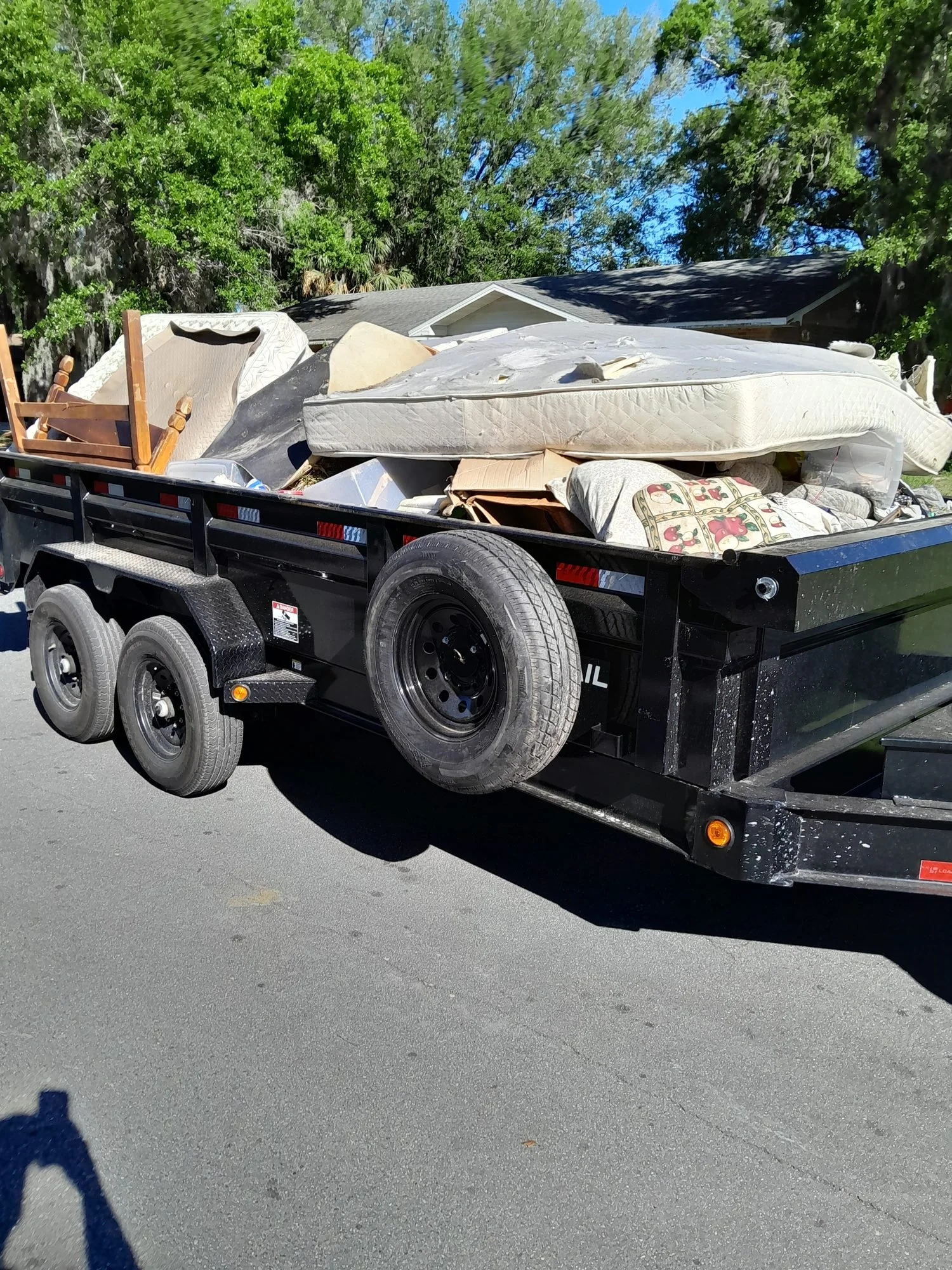
Inland Polk County flooded in real ways after Milton. Polk Services goes inside for flood cleanups — soaked furniture, mattresses, appliances, damaged flooring rip-out, and waterlogged storage contents, all hauled at the standard rate. The faster wet contents come out, the less secondary damage the property takes.
Structural Damage — Sheds, Gazebos & Decks
When a tree comes through a shed, a gazebo folds, or a swing set twists beyond salvage, the whole structure comes down and gets hauled. Demo and debris haul combine into one job. Tim’s June 2025 job — a 140-sq-ft utility building crushed by a tree — was demolished and hauled in four hours.
Every Kind of Storm Debris We Move
Vegetation & Tree Debris
Structural Damage (Exterior)
Roof & Building Material
Flood Contents & Access
From Photo to Quote to Scheduled — Fast
Call or text photos to (863) 344-5806
Text is the fastest path to a quote during storm-response weeks. Send wide shots of the yard, close-ups of the damage, and interior shots if flood damage is part of the job. Donny reviews directly and quotes by return message when possible.
Free estimate — photo quote or walk-through
Photo quotes are fast and accurate for most storm jobs. For larger or multi-category work (structural demo + interior flood + vegetation), Donny can be on-site within 24 to 48 hours in the radius. Free either way.
Verbal quote plus a texted written quote
Every storm job is priced in writing before work starts — same rate card, no surge pricing. If scope grows once we start (more damage under a tarp, extra interior contents), Polk Services stops and re-quotes before continuing.
Priority scheduling during active response
During post-storm weeks, safety-related issues come first — blocked driveways, downed trees pinning vehicles, exposed sharp edges. Non-safety cleanups schedule in the order quotes are accepted.
Text 30 minutes before we arrive
You get a text 30 minutes before the truck rolls up. Can’t be on-site? Unlock the gate or leave a key location in the thread — Polk Services runs the job unattended and confirms completion by photo.
Walk the property & rake-clean before we leave
The last 15 minutes is a walk-through with you (or by phone/photo) and a rake-clean. The property leaves the condition on the written quote — not one debris pile short of it.
Pricing — and Why There’s No Surge Markup
Standard Minimums
$300 minimum for the first 4 cubic yards of standard debris (vegetation, downed limbs, brush, roof debris, damaged fence). $500 for the first 4 cubic yards of heavy material (concrete, structural debris, wet-and-heavy flood contents). Larger multi-truck jobs quoted per load, always in writing.
Bundle Pricing on Multi-Category Jobs
Most post-storm cleanups touch several categories — vegetation, fence, wet furniture, roof debris. Polk Services quotes the whole scope as a bundle rather than line items, bringing the total below what four separate contractors would charge.
Demo Combined With the Haul
When a shed, gazebo, or deck section needs to come down before it can be hauled, Polk Services combines demo and haul into one job, one crew, one quote — the way Tim’s Milton utility-building job ran.
No Surge Pricing
Some operators double or triple rates the week after a hurricane. Polk Services does not. The rate card on this page is the one used during the Milton response and every storm job since — verifiable through post-Milton customers.
Payment & Insurance Invoices
Cash, check, credit/debit, Venmo, Zelle, and Cash App accepted (3.7% fee on card/electronic; cash and check free). Larger multi-day jobs may require 20–50% down. Insurance-claim customers get an itemized written invoice suitable for adjuster submission.
Polk Services vs the Storm-Chaser Category
Storm Debris Questions
Do you charge surge pricing during hurricane response?
How quickly can you respond after a storm?
Which hurricanes have you actually worked cleanup for?
Do you handle flood-damaged interior contents?
Can you combine tree removal and debris haul into one job?
Do you work with insurance-claim customers?
What about FEMA free-debris-pickup windows?
Do you demolish damaged sheds, gazebos, and outbuildings as part of a storm cleanup?
What is your service area for storm cleanup?
Do I need to be on-site during the cleanup?
Verified Google Reviews From Real Jobs
Every review below is a verified Google review with full customer attribution, each showing a competency this work depends on.
Seven Details That Separate Polk Services Storm Cleanup From a Traveling Crew
Separating FEMA-Eligible Debris at the Curb
During federal-disaster windows the county picks up separated storm-eligible debris free. Polk Services separates as it hauls so your eligible pile stays curbside for the county truck and you pay only for ineligible material — a real out-of-pocket saving.
Wet Debris Is Heavy — Quoted by Volume
Flood furniture, soaked mattresses, and rain-heavy vegetation weigh far more wet. Polk Services quotes per cubic yard, not per pound, so your cost is set by volume — not by whether the pile is soaked.
4 PSI Matters More on Wet Sand
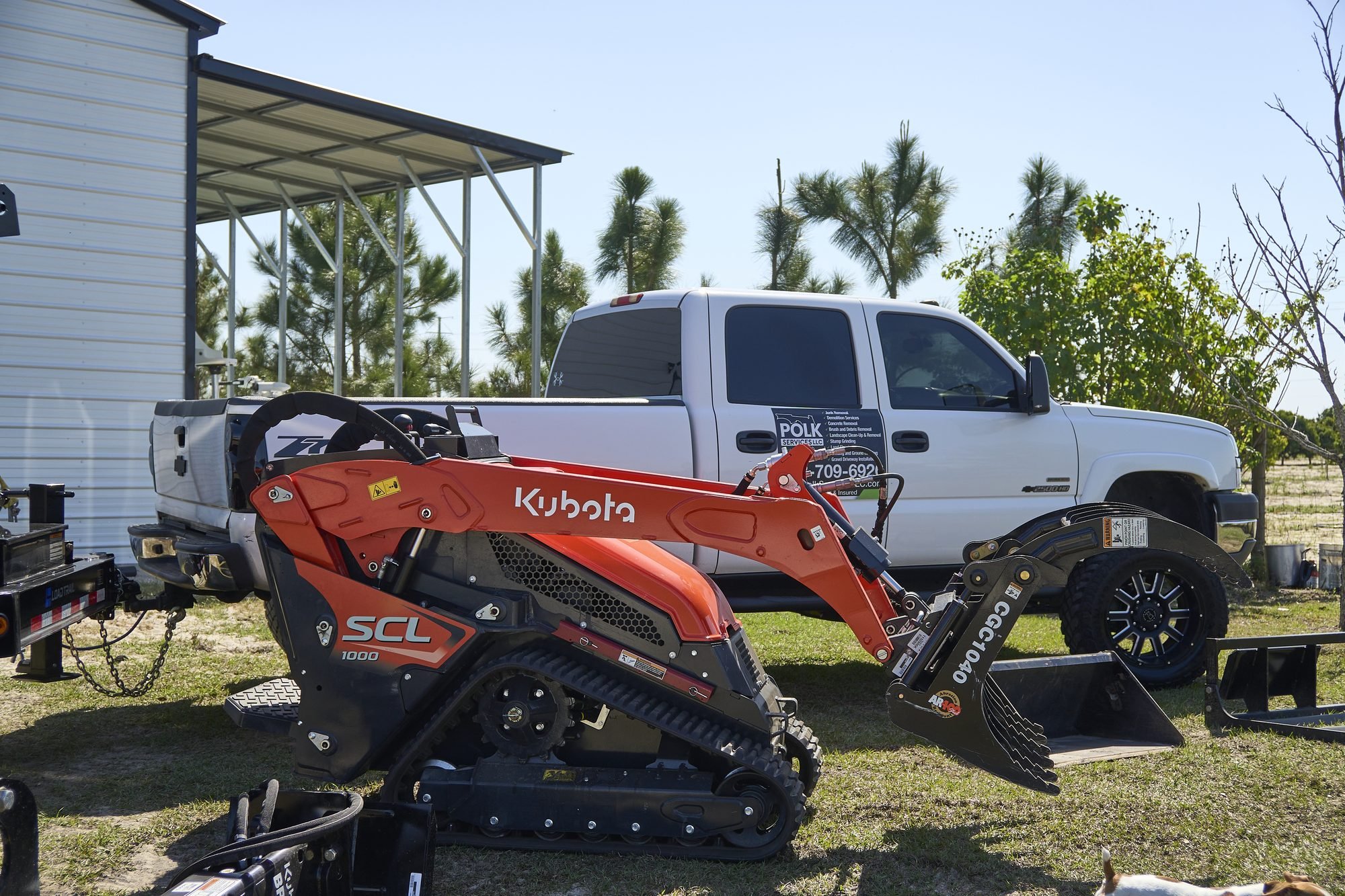
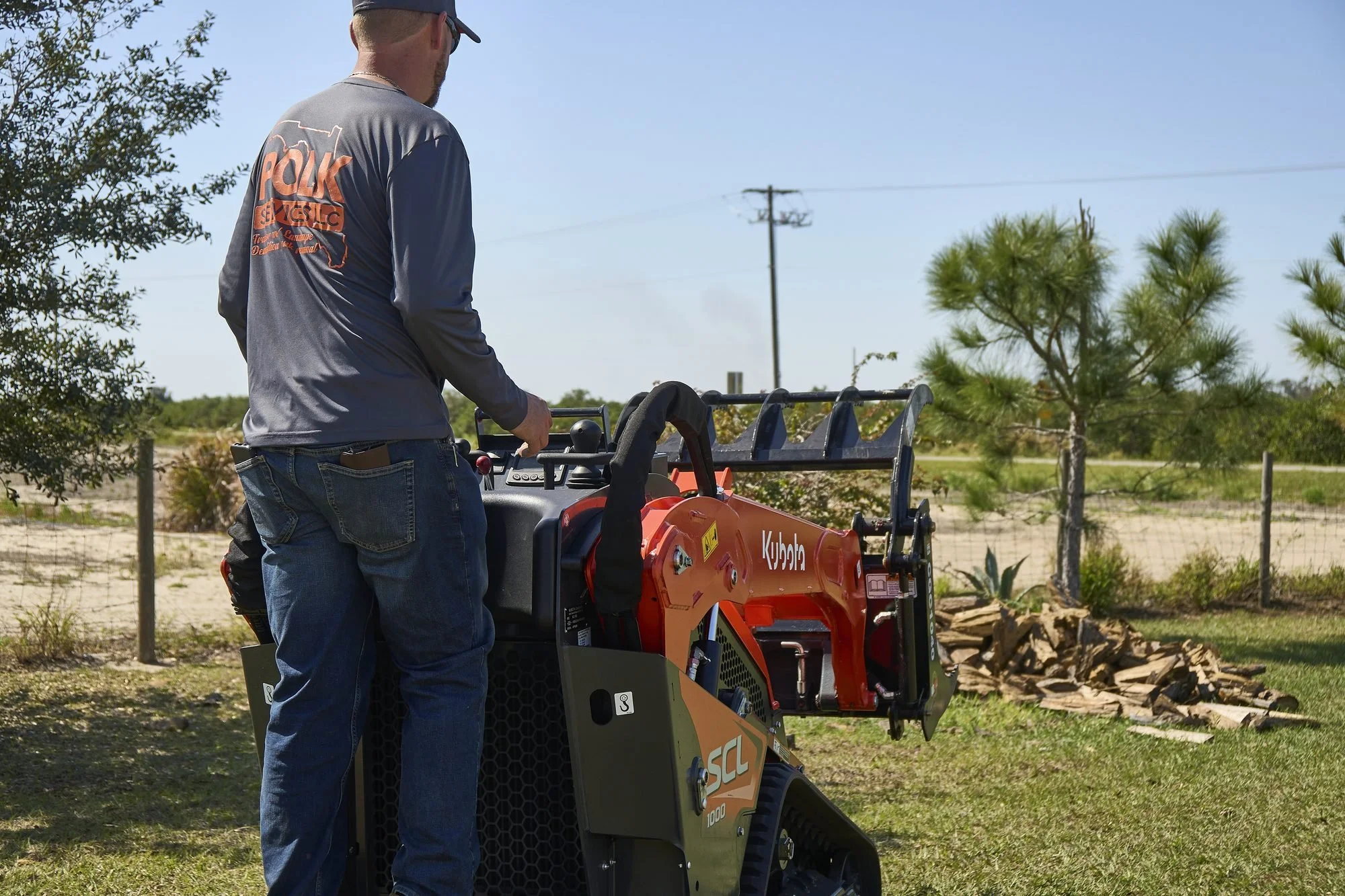
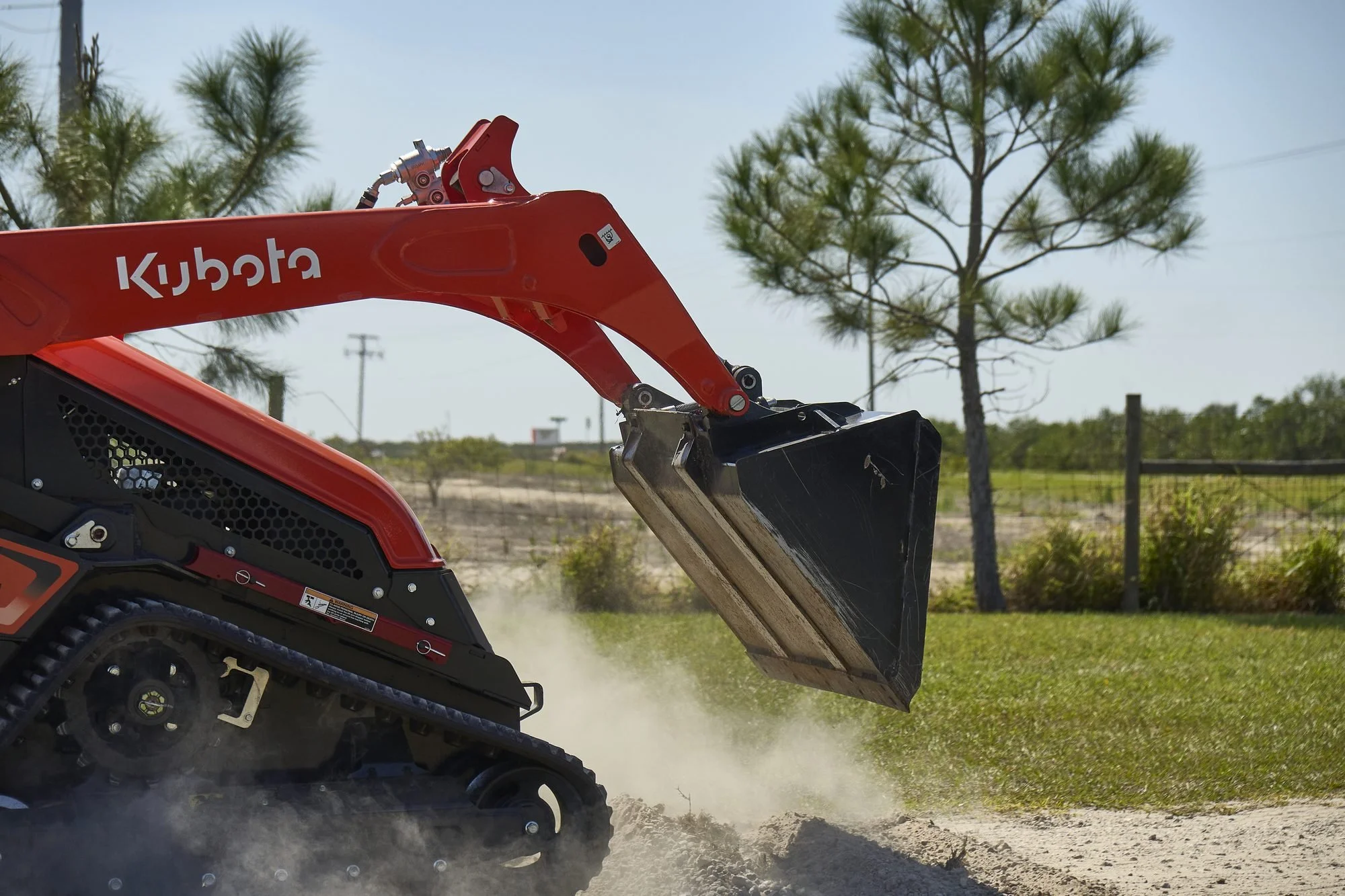
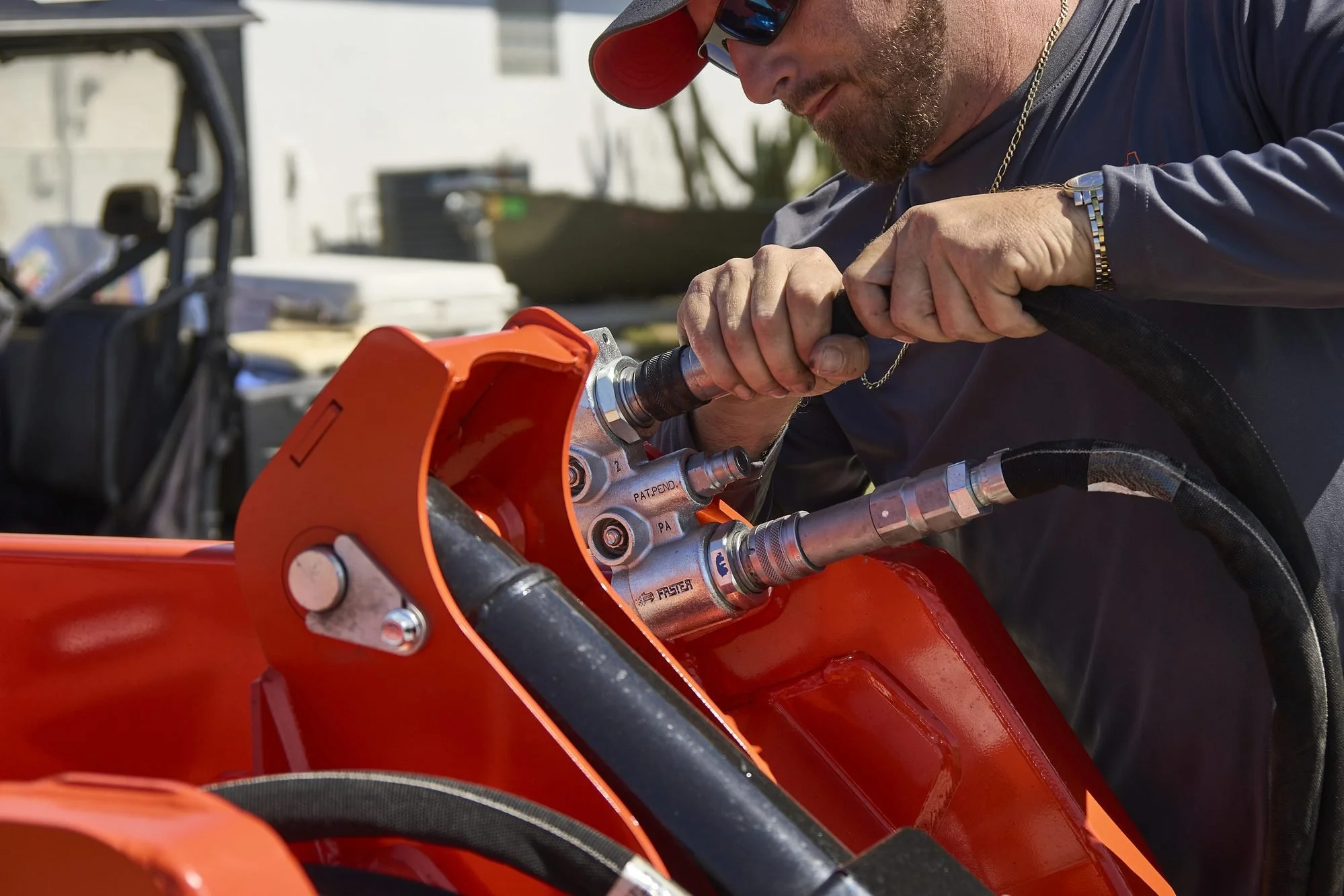
Polk sand holds water for days after a storm, and heavy machines rut it fast. The Kubota’s 4 psi ground pressure is the default so the same machine that fits the 36-inch gate doesn’t tear up the wet lawn on the way out.
Downed Oak Needs a Skid Steer, Not Dollies
Live oak runs 60–100 lbs per foot. A hand crew must cut a 20-foot section into wheelbarrow pieces first; the skid steer with a grapple moves it in minutes. Across a 50-tree neighborhood, that equipment gap is the whole job.
Adjuster Documentation Before Hauling
The debris pile is often part of the loss record. Before hauling, Polk Services can shoot wide, mid, and close-in photos of debris in position and text them for the claim file. Ask about the documentation workflow.
Structural Demo Before Vegetation Haul
On multi-category jobs, demo the damaged structure first for truck access, haul the vegetation next, then rake-clean the whole footprint. Wrong order forces the same footprint to be worked twice and doubles crew time.
Insurance-Ready, Line-Item Invoice
Carriers want line items — vegetation, structural demo, interior flood contents, disposal — not a lump sum, which gets kicked back. Polk Services provides an itemized invoice suitable for adjuster submission on every claim job.