

How to Plan a Full Property Cleanout Without the Chaos
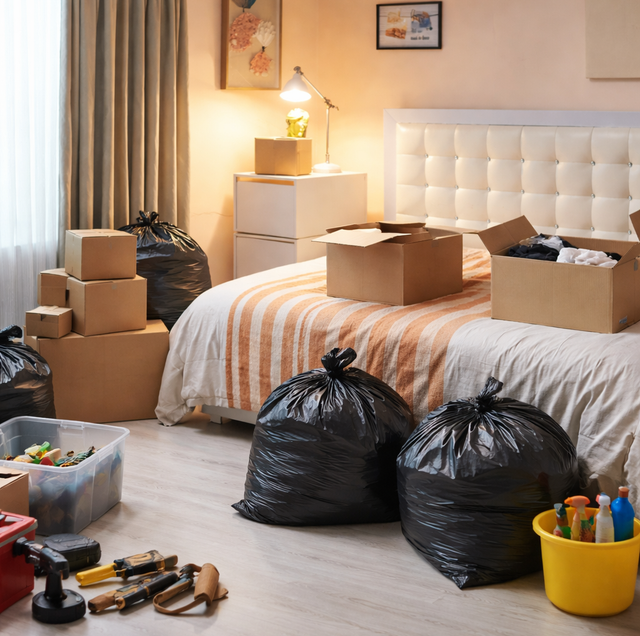
Quick Answer: Plan a full property cleanout by walking the space to gauge volume and access, sorting everything into keep, donate, sell, recycle, junk, and hazardous, pulling valuables and documents out first, setting hazardous items aside for proper drop-off, then deciding whether to haul it yourself or bring in a crew and truck.
A full property cleanout is not a bigger version of tidying up. It is a different job with a different shape. The reason comes down to one thing: a cleanout is measured by what has to leave, not by what you want to keep. After a move-out, an estate, an eviction, a hoarding situation, or a foreclosure, the goal is an empty property, and that changes every decision that follows. You are working against volume and a clock, usually a closing date, a lease end, or a family's timeline, and the material has to be sorted, carried, and disposed of in ways a curbside trash can was never built to handle.
Understand that core mechanism first, and the rest of the plan falls into place. Every step below exists to answer one of two questions: how much has to move, and where does each piece legally and safely go. Get those answered early, and the day runs on rails. Skip them, and you find out halfway through that the truck is full, the good stuff is already gone, and the paint cans have no home.
Start by Walking the Property
Before a single box moves, walk the whole property with a notepad or your phone. You are taking two measurements. The first is volume: room by room, garage, attic, shed, yard. A house that looks half empty from the doorway can hide a packed attic and a garage stacked to the rafters. The second is access. Note the width of doorways, whether there is a staircase, how far the nearest parking is from the front door, and whether a truck can back up close or has to stage from the street. Heavy furniture and appliances live or die on access. A sleeper sofa that will not clear a turn in a narrow hallway is a two-person, tip-it-on-end problem, and knowing that before the day starts saves an hour of frustration.
This walk also tells you the condition of the place. Neglected and abandoned properties carry hazards that a lived-in home does not: standing water, mold behind furniture, droppings from pests, and sharp objects buried in piles. Note anything that looks like it needs gloves, a mask, or a professional before you commit to touching it.
Sort Into Six Piles
Sorting is the heart of a cleanout, and vague sorting is why cleanouts stall. Give every item one of six destinations: keep, donate, sell, recycle, junk, or hazardous. Six real categories force a decision on each object instead of the endless "maybe" pile that swallows a weekend.
Keep is for what goes with the family or the new owner. Donate covers usable furniture, clothing, housewares, and small working appliances that a charity will accept. Sell is the narrow slice worth the effort of listing, think tools, collectibles, or a matched furniture set. Recycle pulls out metal, cardboard, and clean paper. Junk is the genuine trash, broken, stained, or worthless. Hazardous is its own category for a reason, covered below.
Work one room at a time and finish it before moving on. A cleanout that jumps between rooms leaves half-sorted chaos everywhere and no sense of progress. One room emptied and swept is a foothold; five rooms half-done is a mess with no floor to stand on.
Pull the Valuables and Paperwork First
This is the step people skip and regret. Before anything gets loaded, go through drawers, closets, cabinets, and the backs of shelves for anything worth money and any paperwork that matters. In estate and foreclosure situations, especially, cash, jewelry, coins, and important papers turn up tucked in odd places, a coat pocket, a shoebox, or the back of a nightstand. Once a crew starts moving fast, small, valuable things vanish into the general flow. Pulling the keepers out first, while the sort is slow and deliberate, is the only reliable way to protect them.
Separate the Hazardous Items
Certain materials cannot ride in a normal load, and mixing them in creates a disposal problem for the whole truck. Set aside paint and solvents, automotive fluids, pool chemicals, fluorescent tubes, and anything that came with a warning label. These go to a household hazardous waste facility, not the general pile. Old electronics often need their own recycling stream too. Corralling all of this into one clearly marked corner during the sort means it does not get loaded by mistake and does not hold up the rest of the haul.
Decide: Do It Yourself or Bring in a Crew
Now you have the numbers to make an honest call. A DIY cleanout makes sense when the volume is modest, the items are light, and you have a way to legally dispose of what is left. A garage of flattened boxes and a few bags is a Saturday with a pickup and a trip to the transfer station.
A full-house cleanout is a different animal. Once you are moving furniture, appliances, mattresses, and the contents of an attic, you are into repeated heavy lifts, multiple truckloads, and disposal fees you may not have planned for. This is where a hauling service earns its keep. A crew brings the labor, the trucks, and the muscle for the heavy and awkward pieces, and they already know where each category goes. What would eat a family's whole weekend, and their backs, becomes a single scheduled job. If the property is on a deadline, that predictability is worth more than the effort saved.
Stage Everything by Exit
Whether you haul it yourself or a crew does, staging speeds the load. As you finish sorting each room, move the going pile toward the nearest exit that a truck can reach. Group heavy items near the door they will leave through. The idea is simple: when loading starts, nobody should be hunting through the house for the next piece. Everything that leaves is already lined up where it can go straight out.
Haul, Dispose, and Sweep
The last stage is where a plan pays off, because each of your six piles already has a destination. Usable goods go to donation centers. Metal, cardboard, and clean recyclables go to the recycler. Genuine junk goes to the transfer station or landfill. Hazardous items go to their special drop-off. Sorting this way keeps a large share of the material out of the landfill, which a single roll-off dumpster never does, since a dumpster sends everything to the same place.
When the property is clear, do a final sweep. Check every closet, cabinet, attic hatch, and the yard. Sweep the floors. A cleanout is not finished when the last truck pulls away; it is finished when the property is empty, clean, and ready for whoever walks in next.
What a Cleanout Service Actually Handles
Bringing in a service is about more than renting muscle. A crew handles the labor and the heavy lifting, supplies the trucks, does the sorting on site, and takes responsibility for proper disposal and recycling so the load does not all end up in the landfill. They arrive with the gear that makes a rough property safe to work in: gloves, dollies, straps, and protection for the biohazards and sharps that turn up in neglected homes. That equipment is the difference between a job done and a trip to urgent care.
Special situations call for extra care. An estate cleanout is emotional work, and a good crew moves slowly enough to preserve keepsakes and valuables for the family rather than treating everything as trash. A hoarding cleanout can involve biohazards, pest infestations, and structural or mold problems hidden under years of accumulation, which is why it is handled with more caution and the right protective equipment than a routine haul. Outdoor cleanouts add their own category: yard waste, fallen limbs, old fencing, and general debris that need separate handling from indoor loads.
One honest note on limits. There are materials a cleanout service will not put on the truck, chiefly the hazardous items above, because landfills and transfer stations restrict them. Those still need a proper drop-off, and a good crew will tell you that up front rather than quietly leaving them behind.
Frequently Asked Questions
Check specifically for a safe or lockbox, any medications, and vehicle titles or registrations before a crew touches anything. Those three are the items most often lost or tossed in a fast cleanout and the hardest to replace once they are gone, since a title has to be re-applied for and a lockbox looks like scrap once it is buried in a load. Do that sweep while the sort is still slow and deliberate, because once the loading speeds up, a small envelope or a pill bottle disappears into the general flow.
Hazardous items like paint, solvents, car batteries, tires, and propane tanks, along with some electronics, are restricted at most landfills. Instead of getting tossed in the truck, they are separated out and taken to the proper drop-off. Loading them with the general junk can get an entire load turned away at the gate, so they are pulled aside on purpose.
The deciding factors are volume, heavy or awkward items, and disposal access. A garage of light boxes may be a weekend DIY project with a pickup truck. A whole house full of furniture and appliances is faster and safer with a crew and a truck, both because of the repeated heavy lifts and because a service already has a place to take each category.
Ask for donation receipts for anything given to a charity, because those receipts are useful at tax time and a good crew will hand them over without being chased. It is also worth confirming that old electronics go to a certified e-waste recycler rather than into the landfill with the rest of the load, since screens and batteries carry materials that are restricted at most dumps anyway. A crew that can name where each stream actually goes is one that is sorting rather than quietly consolidating it all at the gate.
An estate cleanout usually needs the executor's sign-off before anything leaves the property, because the estate is legally responsible for the contents until it is settled. A hoarding cleanout is a different problem: it may need a structural or occupancy check first, since floors, exits, and utilities can be compromised under the piles, and a crew has to know the space is safe to stand in. Both move slower than a routine haul, one for the paperwork and the keepsakes, the other for the safety inspection and the protective gear it takes to work the pile.
Decluttering trims what you own, room by room, while you go on living in the space. A full cleanout empties the property completely. That is why it is planned around access, disposal, and often a deadline like a closing or a move-out date, rather than being an open-ended project you chip away at over months.
Book a full property cleanout — get it emptied, sorted, and disposed of right the first time, from estate cleanout in Plant City to Auburndale. Polk Services LLC serves Lakeland, Highland City, and Mulberry. Call (863) 344-5806.
