

5 Signs It’s Time to Demolish That Old Backyard Shed
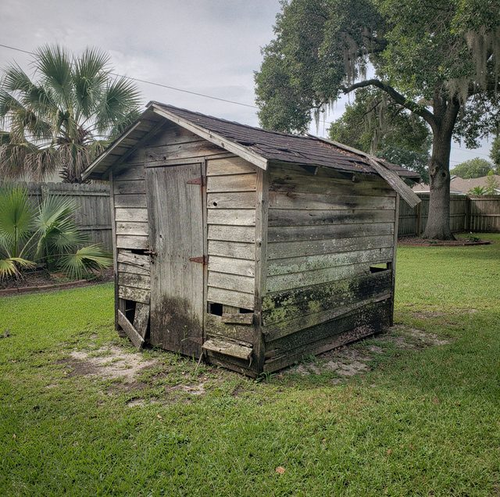
Quick Answer: A shed is past repair when its structure has failed — not when the paint is peeling. Check three things: the frame (does it lean or sit out of square so doors and windows won't line up?), the floor (is it soft, spongy, or sagging underfoot?), and the roof (does it dip or let daylight through?). Soft, crumbling wood under a screwdriver and a persistent musty smell point to spread rot or insect damage. Surface problems are fixable; failure in the frame, floor, or roof usually means it's time to demolish and start with a clear, level spot.
You open the shed door, and it scrapes the ground before it swings, the floor gives a little under your boot, and there's that damp, earthy smell of wood that's been wet one too many times. You've been telling yourself you'll fix it up one of these weekends. At some point, though, a shed crosses the line from "needs work" to "needs to go," and reading the signs early saves you from pouring money into a structure that's already lost.
Why Sheds Reach the End Faster Than You'd Think
A backyard shed takes more abuse than almost anything on the property. It usually sits on a thin slab or skids close to the ground, has no climate control, and bakes and soaks through every season. In a humid climate, moisture is the slow killer — it works into the wood, feeds rot and mold, and softens the structure from the inside while the paint outside still looks fine. Add wood-boring insects, which find untreated lumber irresistible, and a shed can be hollow in places long before it looks like it.
The signs below aren't cosmetic complaints. Each one points to a structural problem that's usually cheaper and safer to clear than to chase.
| What you notice | What it usually means | What it points to |
|---|---|---|
| Whole structure leans or racks | Frame or foundation failing | Demolition territory |
| Floor is soft, spongy, or sagging | Rot in joists or subfloor | Often beyond repair |
| Roof dips or sags in the middle | Rafters or sheathing rotted | Serious; risk of collapse |
| Doors and windows won't line up | Frame is shifting out of square | Structural movement |
| Soft, crumbling, or hollow wood | Rot or insect damage in framing | Spreading; hard to stop |
| Mold smell and dark staining | Chronic moisture inside the walls | Underlying water problem |
The Frame Is Leaning or Out of Square
A shed should stand square and plumb. When the whole structure leans, racks to one side, or the door and window openings no longer line up, the frame or foundation has started to fail. This happens when the base rots or the ground beneath it shifts and settles, and once a structure goes out of square, every joint is under stress it wasn't built for. You can sometimes prop and brace a minor lean, but a shed that's visibly racked is telling you its bones are going.
The Floor Gives Underfoot
A floor that feels soft, spongy, or bouncy is one of the clearest end-of-life signs. The floor sits closest to the ground, so it's the first part to absorb moisture wicking up from below. Once the joists or subfloor rot, the wood loses its strength even though the surface may look intact. A floor you can press through with your weight isn't a patch job — the rot that softened one board has almost always spread to the framing around it.
The Roof Sags or Lets Light Through
Look up from inside. A roofline that dips in the middle, sheathing you can see daylight through, or rafters that feel soft, means water has been getting in and rotting the structure from the top down. A sagging roof is the most dangerous sign on this list because it's the part most likely to come down, and a partial roof collapse turns a tired shed into a genuine hazard. This is the point where you stop going inside and start planning the teardown.
Don't store anything valuable in — or spend time working under — a shed with a sagging roof or visibly failing frame. A structure that's rotted enough to sag can collapse without much warning, especially under the load of a storm or heavy rain.
Rot, Mold, and Insect Damage Have Spread
Press a screwdriver into the framing low on the walls and around the door. If it sinks into soft, punky wood or the surface crumbles, rot or insects have been at work. The trouble with both is that they spread — rot follows moisture into every connected piece of wood, and wood-borers tunnel through framing you can't see. By the time soft spots show up in several places, replacing individual boards becomes a losing game, because the damage you can find is rarely the full extent of it.
A persistent musty smell and dark staining inside point to the same root issue: water getting in and staying. Even if you rebuilt the rotted pieces, that moisture problem would still be there, ready to rot the new wood too.
When Repair Still Makes Sense
Not every aging shed is a teardown. If the frame is square, the floor is solid, and the roof is sound, then peeling paint, a stuck door, a few replaceable boards, or worn shingles are ordinary maintenance. The rule of thumb is structural versus surface: surface problems are fixable, but once the frame, floor, or roof is compromised, the math tips toward demolition and a clean slate. A shed that needs its foundation, floor, and roof all addressed at once has effectively asked to be replaced.
A fast field test — walk the floor, push on a corner of the frame, and press a screwdriver into the wood near the base. If the floor flexes, the frame moves, or the wood is soft in more than one spot, you're looking at structural failure, not a repair.
Frequently Asked Questions
Check the three structural parts: the frame, the floor, and the roof. If the structure leans or is out of square, the floor is soft or sagging, or the roof dips, the shed is likely beyond practical repair. Surface issues like peeling paint, a stuck door, or a few bad boards are fixable; failure in the frame, floor, or roof usually isn't worth chasing.
It depends on what's failing. Cosmetic and minor repairs are almost always cheaper than demolition. But once rot or insect damage has spread into the framing, floor, and roof, repair costs climb fast and rarely solve the underlying moisture problem — at that point, clearing the shed and starting fresh is usually the better value. The deciding factor is whether the damage is surface-level or structural.
Yes. A shed weakened by rot or insect damage can fail under its own weight or, more often, under the added load of heavy rain or wind. A sagging roof is the biggest warning sign because it's the part most likely to come down. If a shed shows serious structural decline, it's safest to stop using it and have it removed before a storm does the job for you.
Moisture, mostly. A shed sits close to the ground with no climate control, so it absorbs water from below and from any leaks above, and in a humid climate, that moisture lingers. Wet wood feeds rot and mold and attracts wood-boring insects. Poor drainage around the base, a leaking roof, and untreated lumber all speed up the process.
Yes, clear out anything you want to keep before demolition. A crew can handle the structure itself — and haul away the debris — but tools, equipment, and stored items should come out first. It's also a good moment to sort what's worth keeping from what can go in the same haul, since you'll already have a crew on site.
A demolition and removal crew breaks the shed down and hauls the material off, sorting it where possible — metal roofing and hardware to scrap, clean wood to recycling, and the rest to proper disposal. You're left with a clear, level spot ready for whatever comes next, whether that's a new shed, a garden, or an open yard.
Read the Structure, Not the Paint
An old shed earns a teardown when its frame, floor, or roof has failed — when it leans, the floor gives, the roof sags, or the wood crumbles under a screwdriver. Those aren't problems you patch; they're the structure telling you it's done. Catch them early, clear the shed cleanly, and you trade a slow hazard in the corner of the yard for open, usable space.
Got a shed that's leaning, rotting, or ready to come down? — Have it demolished and hauled away cleanly, leaving a level spot to build on, from shed demolition in Bartow to Plant City. Polk Services LLC serves Lakeland, Highland City, Mulberry. Call (863) 344-5806.
