
The Plant City Structures That Reach End of Life
Plant City is the Winter Strawberry Capital, and generations of farming left the corridor full of pole barns, equipment sheds, and packing-adjacent outbuildings that outlive their use. When a parcel changes hands or a farm operation winds down, those structures have to come off the land before anything else happens.
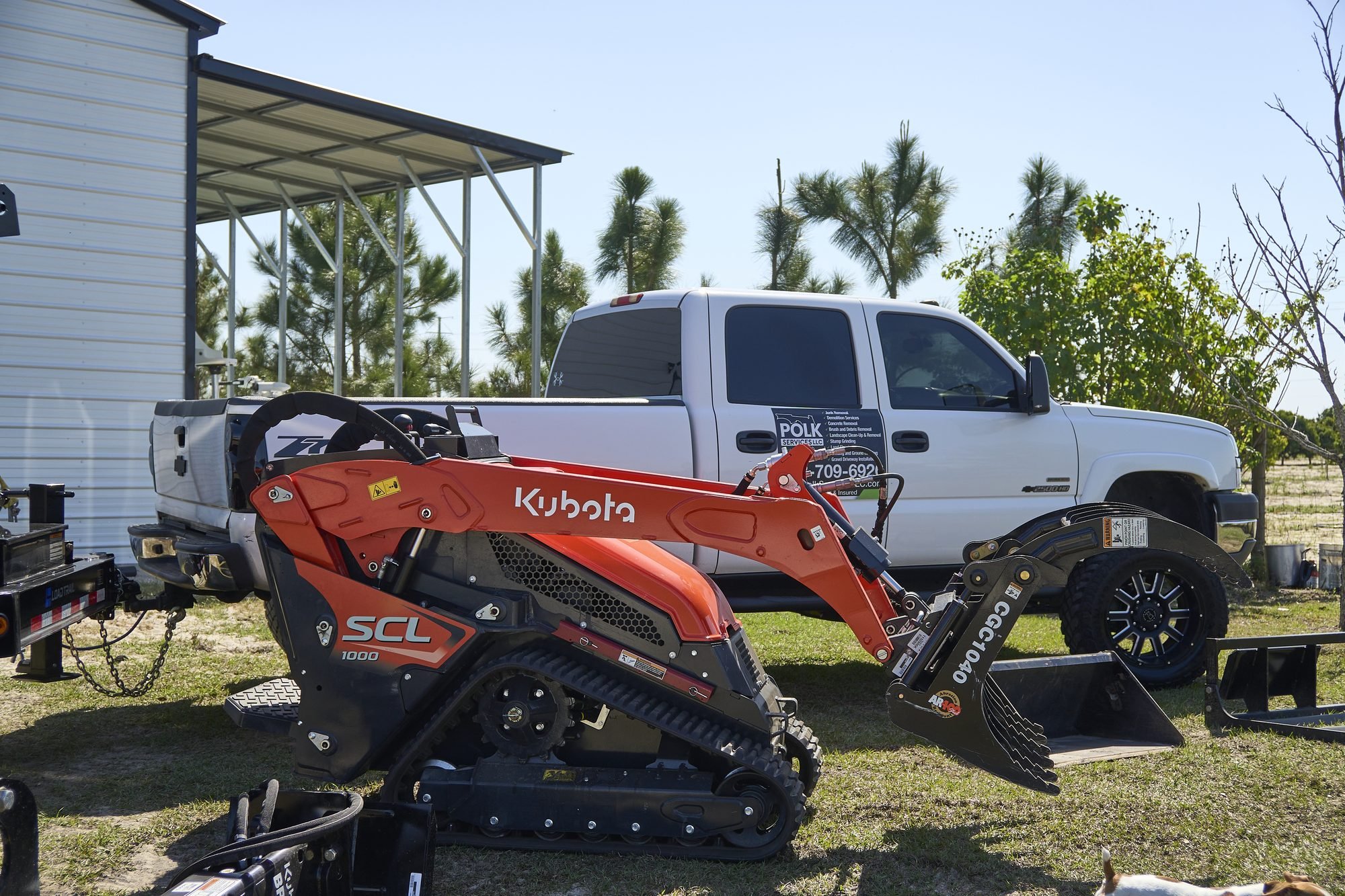
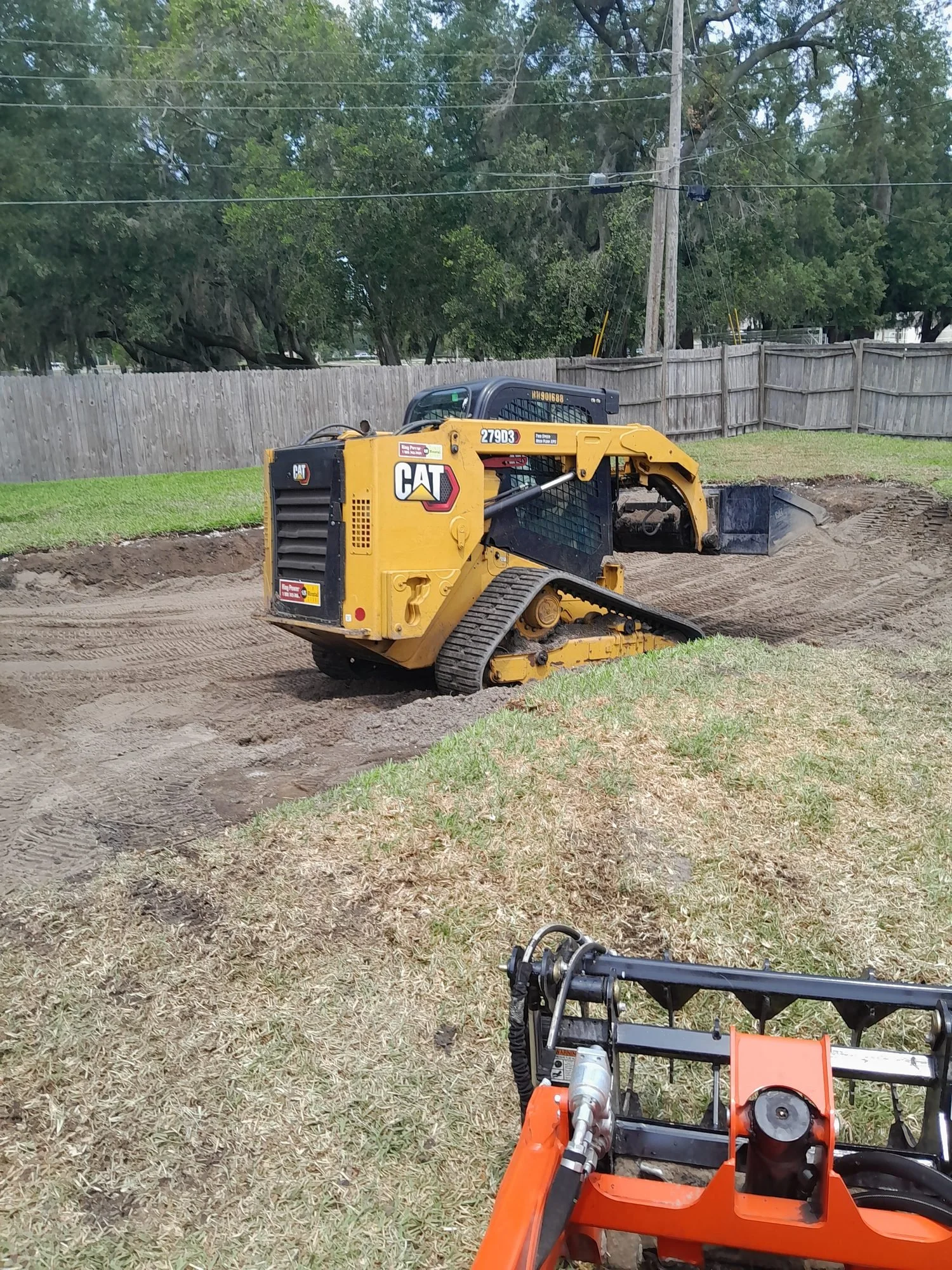
Inside the city, the historic downtown around Union Station and the established Midway and Turkey Creek suburbs carry decades-old backyard sheds, carports, and garages rusted, rotted, or storm-damaged past repair. Because Plant City sits at the edge of the agricultural corridor and the growing suburban edge at once, the mix of structure types is wider than a typical residential-only market — exactly why an owner-operator who runs both a 36-inch mini skid steer and a full-size Caterpillar covers it better than a single-truck junk crew.
What We Demolish & Remove in Plant City
Wood & Metal Backyard Sheds
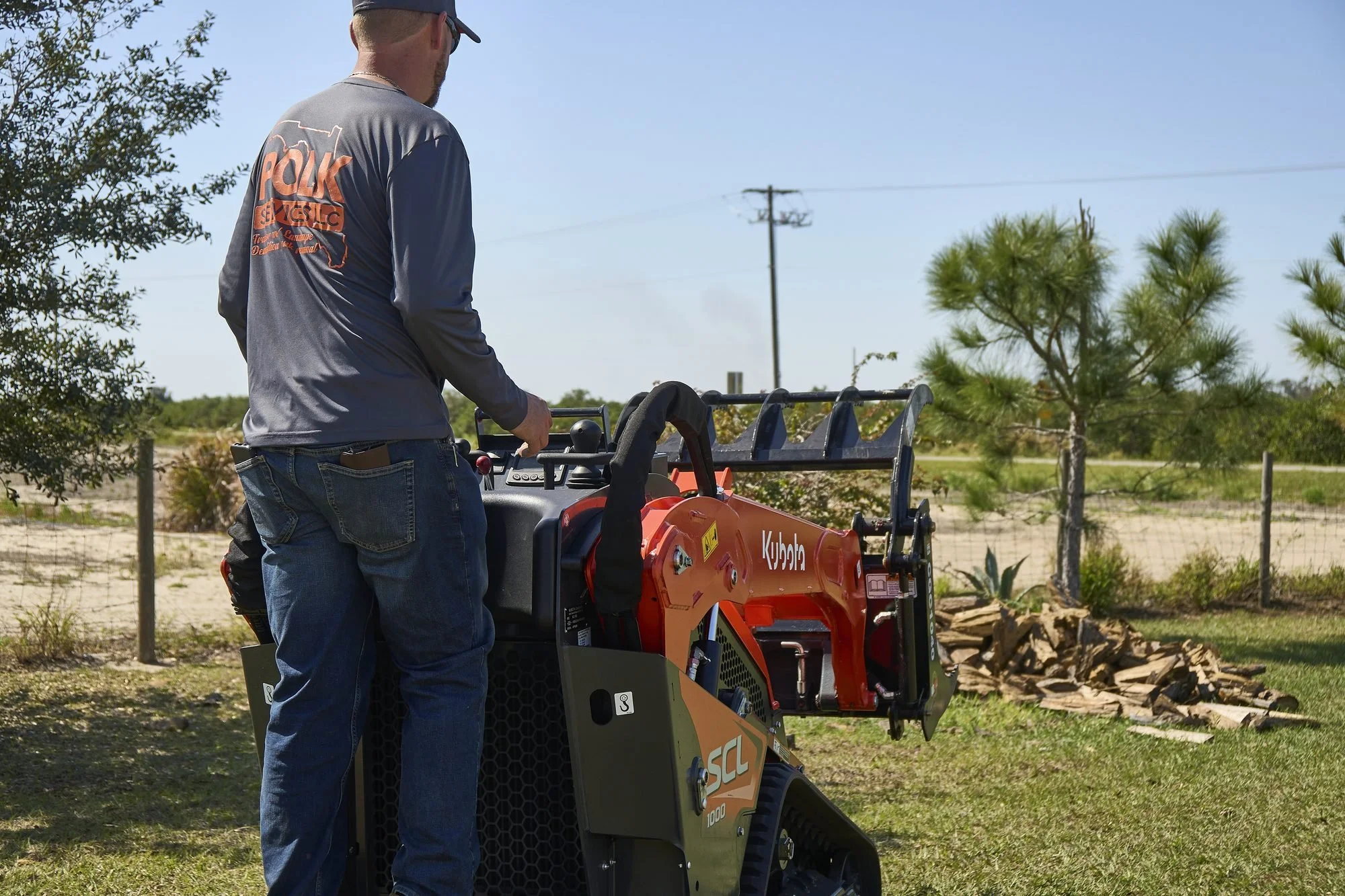
Standard 8×10 through 12×20 wood and metal sheds torn down and hauled in one visit. The 36-inch Kubota fits through a standard backyard gate, so the fence stays up.
Pole Barns & Farm Outbuildings
The agricultural corridor’s pole barns, equipment sheds, and open-sided farm structures are barn-scale teardown work. The full-size Cat handles the framing; the dump trailer hauls the mixed metal, wood, and debris.
Carports, Lean-Tos & Garages
Aluminum carports, lean-tos, and detached single-car garages come down and get cleared out, including slab-adjacent cleanup when the structure sat on a pad.
Block Structures & Small Shops
Concrete-block sheds, workshops, and small outbuildings demolished and removed. Block adds weight and disposal volume, which Donny prices into the on-site quote so there are no surprises.
Four Plant City Realities We Work Around
Mixed-Material Debris & Hillsborough Permitting
A shed or pole barn comes apart into mixed wood, metal roofing, and framing that route to C&D disposal. Plant City is in eastern Hillsborough County, so the demolition permit and disposal path follow the county’s process — handled per address.
HOA Debris Staging
Master-planned communities like Walden Lake carry HOA rules on debris staging and equipment access. Polk Services stages and hauls the same visit, so a torn-down shed never becomes a curbside pile that triggers a violation.
Agricultural Access & the Growing Calendar
Farm-corridor teardowns sometimes work around field access and the growing and harvest calendar. Donny coordinates timing at the estimate so the machine reaches the structure without crossing active rows.
Pre-1978 Downtown Structures
Older downtown outbuildings can carry lead-based paint or asbestos-era materials. Polk Services flags pre-1978 structures at the estimate and coordinates appropriate handling before teardown begins.
How the Job Runs & What It Costs
Priced by the Load
Removal and demolition volume is priced by the load — a $300 minimum per 4 cubic yards for standard debris, with block and heavy material quoted higher for weight. Verbal on-site quote plus a texted written quote before any work begins.
The Polk Services Standard
Donny walks the job with you before he leaves, rakes the work area clean before he drives off, texts you 30 minutes before arrival, and gives both a verbal and written quote up front. No sub-crews, no surprise pricing.
Payment & Scheduling
Cash, check, card, and electronic payment accepted (3.7% surcharge on card/electronic; none on cash or check). Same-day and next-day scheduling is common in Plant City when the calendar allows.