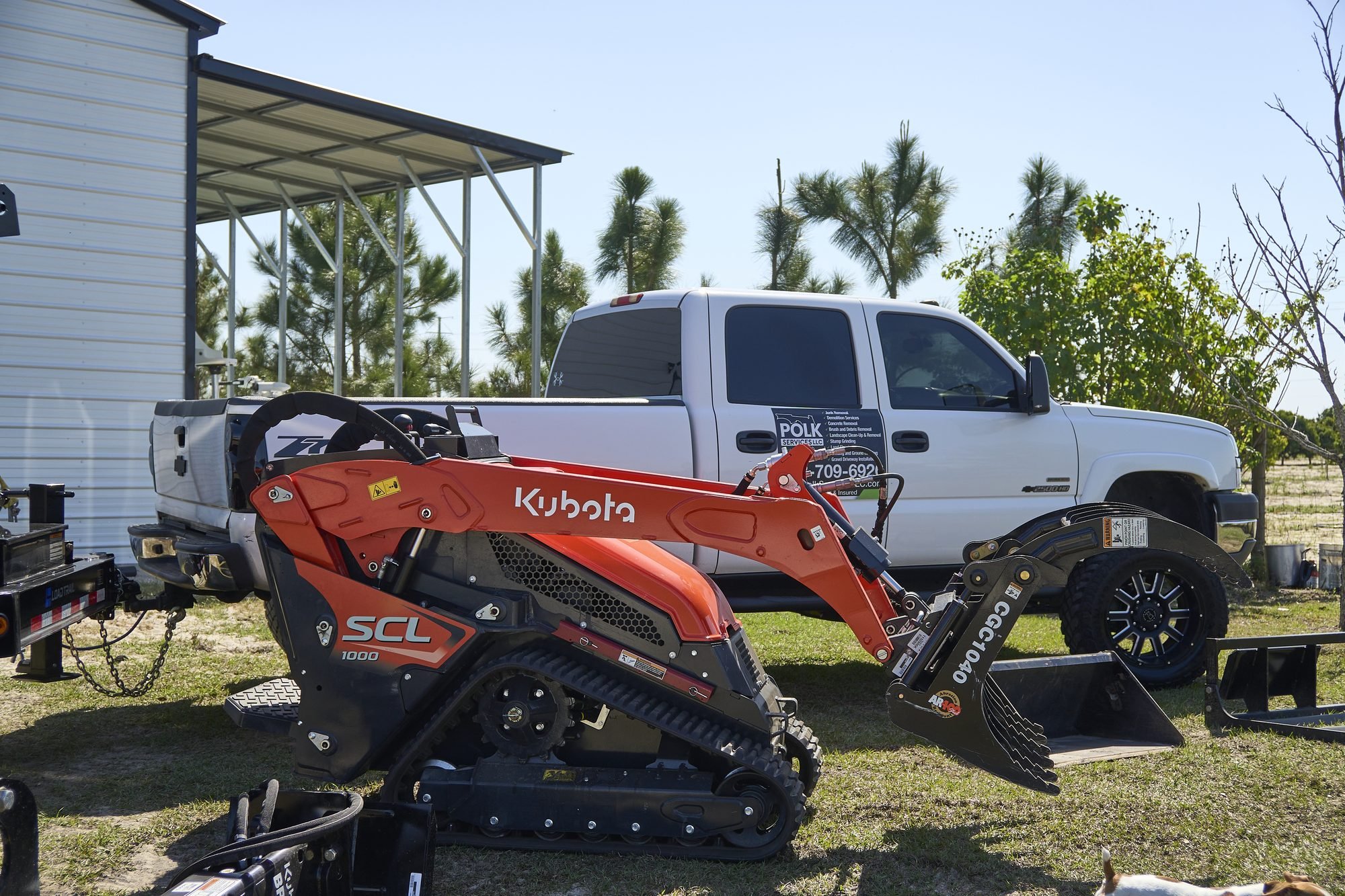

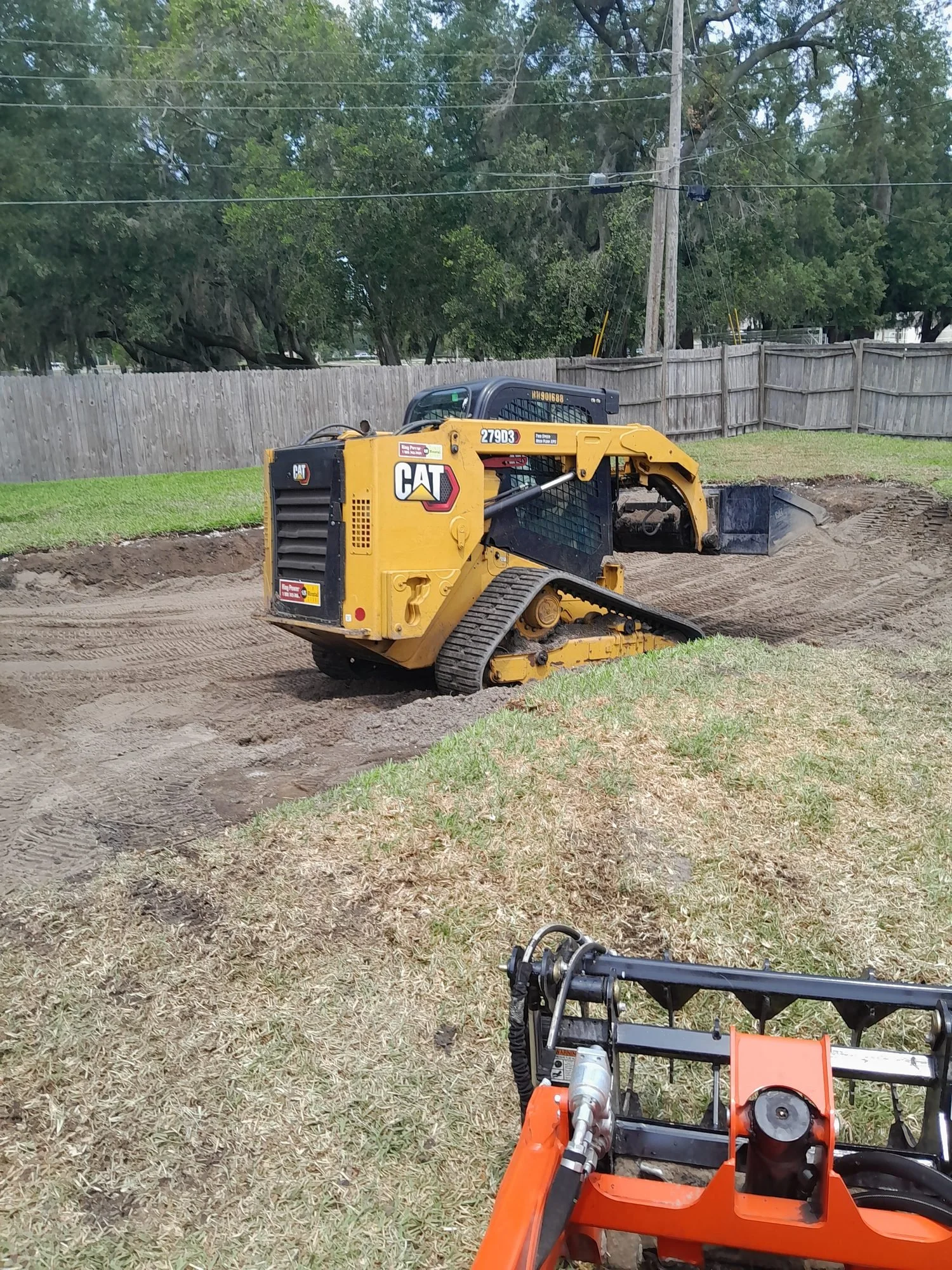
In Winter Haven's land development code, a live oak measuring thirty-four inches across is not just a big tree. It is a heritage oak, a defined class with its own replacement obligations and penalties that the code scales by the inch.
A Serious Tree Ordinance That Deliberately Skips Most Houses
Winter Haven takes its canopy seriously enough to have kept a Tree City USA designation for decades, and its code reflects that. The tree division sorts trees into classes by trunk diameter, treats the largest live oaks as a protected class of their own, requires replacement planting at ratios that rise with the class, and sets penalties for unpermitted removal that are calculated per inch of trunk.
And then it excludes single-family detached and duplex residential uses from the entire division. Permit, replacement ratios, penalties: none of it applies to a house lot.
Not Everything With a Trunk Behaves the Same Way
The second question is what is actually in the ground, and it matters more than most people expect. Different plants leave different problems behind, and a quote given over the phone without knowing the species is a guess.
Palms Are Not Trees, Structurally
Research from the University of Florida is blunt about it. Palm roots are all adventitious; they emerge at their full diameter and never thicken, and palms have no cambium at all. A palm stump and root mass behave nothing like a hardwood, and the work is different.
Some Species Come Back From the Stump
Chinese tallow is the clearest example. University of Florida guidance states that stumps not treated with a herbicide will sprout to form multiple-trunked trees. On a resprouter, grinding alone is not the end of the story, and pretending otherwise wastes your money.
Listed Invasives Turn Up in Yards Here
Camphor, Chinese tallow and Brazilian pepper are all Category I on Florida's invasive species list, and all three appear in Central Florida residential landscapes. Worth identifying before the work starts.
Bamboo Is Its Own Argument
Bamboo spreads by rhizome and is managed at the rhizome level. Cutting canes and grinding a clump leaves the rhizomes, and an honest quote says so before the machine starts.
Old Broadleaf Root Plates
A long-established oak or laurel oak leaves a wide, shallow plate reaching well past where the trunk stood. It affects what can be dug nearby for years after the stump itself is gone.
A Town With a Horticultural Past
Cypress Gardens opened on Lake Eloise in 1936, and its historic core is on the National Register; the nomination lists more than thirty varieties of palm alongside dozens of azaleas and camellias. Winter Haven has never been an oaks-only town.
Grinding Is Not Removal, and Depth Is a Decision You Get to Make
A grinder chews the stump and the flare down below grade. It does not take out the root system, and no honest description of the service should suggest otherwise. Roots stay in the ground and decay on their own schedule. The machine controls how far down the hard material goes, and that is your choice to make. Depth is also most of what a stump costs, so it is worth choosing on purpose.
What Polk Services Takes On, and What It Sends Elsewhere
The scope is narrow, and it is published here so nobody discovers it later. Stumps up to about 24 inches across. Light-duty tree removal, meaning trees up to roughly two feet in diameter and thirty feet tall. Anything larger, anything leaning over a house, anything near a service drop, and anything needing rigging goes to a certified arborist. Donny says so at the estimate, before you have paid for anything.
Pricing follows the same two variables. Grinding is quoted per stump and per job, because a single shallow grind in an open lawn and a deep grind wedged between a fence and a slab are different work. Where grindings and debris leave the property, hauling rates are per load, with a $300 minimum for the first 4 cubic yards. Where the skid steer does the finishing and the grading, that runs on the machine rate, $300 for the first hour or two and $100 an hour after.
The Polk Services Standard on every stump
Donny walks the job with you before he leaves, rakes the work area clean before he drives off, texts you 30 minutes before arrival, and gives you both a verbal and a written quote up front. No sub-crews, no surprise pricing, and the site left ready for whatever comes next.
Payment and scheduling
Cash, check, card, and electronic payment accepted. No processing fee on cash or check; Donny states the card fee when he quotes. A stump holding up another trade gets treated as the priority it is, and same-day or next-day work is common in Winter Haven when the calendar allows.
What Is Actually Left When the Grinder Stops
Two things. A depression where the stump was, and a mound of grindings bigger than people expect, because ground wood takes up more room than solid wood did.
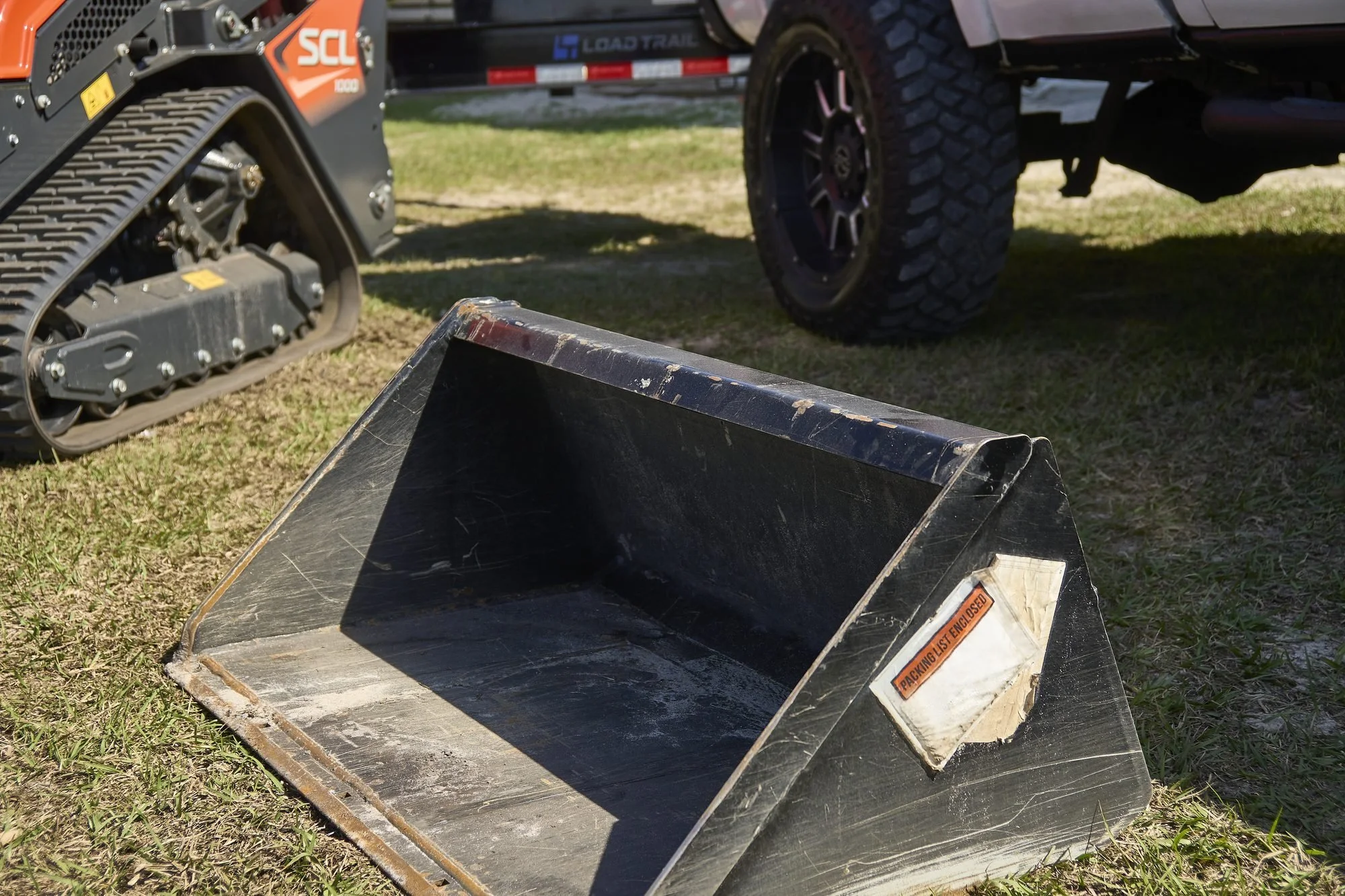
You have a choice about both, and the time to make it is before the day, not while standing over the pile afterward. The grindings can be raked back into the hole and topped with soil, which is the usual finish and works fine under grass. They can be spread elsewhere on the property as a coarse mulch. Or they can go on the trailer and leave, which is the answer when something is being built there or when the pile would be an eyesore for a season. Donny will tell you what he would do, then do what you decide.
Real Jobs That Match the Work Winter Haven Needs
Verified Google reviews from across the Polk County service area.