

Sprinkler Pump Repair in Alachua County: What Actually Fails
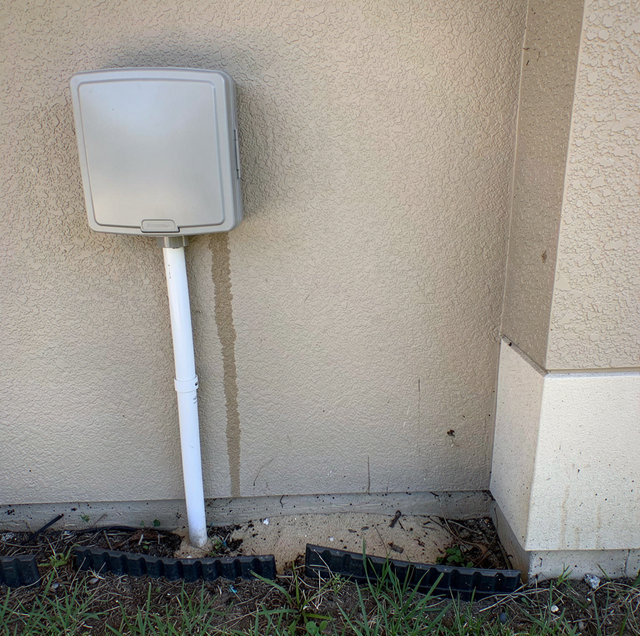
Drive across Alachua County, and the sprinkler systems change as fast as the lot sizes do. A quarter-acre yard in a Gainesville or Alachua subdivision runs off city water through a small booster pump tucked against the house. A half-acre place just outside the Newberry or High Springs city limits pulls from a private well that also feeds the kitchen tap. A few acres out toward Waldo or Hawthorne might run a sprinkler line that crosses a paddock fence or shares plumbing with a stock trough. Three different setups, three different failure patterns, and a repair call that starts with "the sprinklers stopped working" means something different on each one. Knowing which property type you have is the first step toward knowing what's actually wrong.
Quarter-Acre Lots on City Water
A booster pump on municipal supply has one job: raise the pressure the city already delivers, then split it across a handful of zones. Because the water arriving at the pump is already filtered by the utility, sand and sediment rarely show up as complaints here the way they do in a well-fed yard. What shows up is wear on the pressure switch or control box, especially in an older install where the box sits in the open near the water meter and takes the full weight of North Florida humidity year-round. Fire ants will nest inside a warm control box on any property type, but a subdivision box mounted low and exposed is an easy target for a colony working along a foundation line. Lightning and power surges are a real risk to the electrical side of any pump, and a booster pump's compact wiring gives a surge less distance to travel before it reaches something that matters. A yard that has added a drip zone or extra rotor heads since the original install can also outgrow the pump it started with, showing up as weak coverage on the newest zone while the older ones still run fine.
If a zone that used to finish on time now needs longer to soak the same area, don't assume the controller's timer slipped. A pump losing capacity gradually is often the earlier and easier problem to catch.
Half-Acre and Larger Properties on a Private Well
Once a property falls outside the city water footprint, common in unincorporated Alachua County and toward Newberry and High Springs, the sprinkler pump usually draws from the same well that supplies the house, or from a shallow well dedicated to the lawn. That changes the failure list entirely. Fine Florida sand and sediment work their way into screens, filters, and impellers over time, and a well in an area with a high water table can see its performance shift with the seasons as storms move groundwater levels. Iron and sulfide content common in North Central Florida well water drive their own set of filtration and odor complaints, separate from anything mechanical. A worn foot valve is one of the more common reasons a well-fed sprinkler pump loses its prime and stops pulling water at all, though tracing that specific fault is its own troubleshooting path. A pump that was undersized for the well's recovery rate, or oversized for what the plumbing can actually deliver, is the second most common reason a system underperforms even when nothing has technically broken. On a shared house-and-yard well, a sprinkler problem can also be the first visible sign of a well issue that hasn't reached the kitchen tap yet.
Small Acreage with a Paddock or Pasture Line
Out toward Waldo, Hawthorne, and the county's rural fringe, a few acres often means the irrigation line runs much farther than a subdivision zone ever would, sometimes uphill toward a barn or across a pasture edge, and occasionally off a pond or ditch-fed intake instead of a drilled well. A pump sized for four zones on a quiet subdivision line works differently once it's asked to push water across a longer run into open pasture; it's the same motor, just working a bigger hill, and a mismatched pump shows the strain in ways a small lot never would. Residential sprinkler pumps typically run 30 to 60 minutes per zone and are commonly built with intermittent-duty motors, meaning they're engineered for that on-off rhythm rather than one long continuous haul, which matters more on acreage where a single zone can take far longer to soak. A control box mounted in an open shed or fence line on acreage is more exposed to fire ants and moisture than one tucked against a house wall, and an above-ground run to a barn or trough gives a lightning strike more wire to travel down before it reaches the pump itself.
Control boxes and pump electrical connections carry voltage even when the system looks idle between cycles. Leave any repair involving wiring, capacitors, or the enclosure itself to a licensed technician rather than opening it yourself.
What Crosses Every Property Type
Regardless of lot size, two things cause more repeat service calls than anything else: a pump that was never matched to what the property actually demands, and electrical components left exposed to Florida's weather. Summer storm season raises the odds of a lightning-related failure on any of these setups, but a long dry stretch the rest of the year lets sediment and mineral buildup accumulate just as quietly in a well-fed system, so neither season gets a pass, and neither should be the only reason a system gets looked at. What separates a quick fix from a repeat problem is usually whether the original pump was sized for the property it ended up serving, not just the property it was installed on when the yard, the well, or the zone count was smaller.
When to Call in a Pump Technician
Weak or uneven coverage across zones, a pump that short-cycles or runs constantly without building pressure, unusual noise from the pump housing, or a control box that trips a breaker are all reasons to have the system looked at rather than guessed at. A pump that sounds different than it used to, even if the sprinklers still technically run, is worth a call before it stops running altogether. Because a town lot, a well-fed half-acre, and a paddock-line property fail for different underlying reasons, a technician who knows which property type they're looking at can usually narrow the cause faster than working through a generic checklist built for a different kind of yard.
Frequently Asked Questions
Not usually. A city-fed booster pump only raises pressure; it isn't lifting water the way a well pump is, so a failing check valve on that setup tends to show up as rapid on-off cycling or an audible chatter rather than the steady sediment-driven pressure loss common on well-fed yards.
An irrigation-only well is usually finished shallower than a potable well on the same property, since it does not have to reach a protected producing zone to meet drinking-water standards. Less water column above the intake means less reserve to draw against, so a long zone can pull the pumping level down toward the intake faster than a deeper house well ever would. The tell is a zone that starts strong and then surges, spits air, or goes uneven in its last several minutes, rather than one that never pressures up at all.
Take two pressure readings while the same zone runs: one at the pump discharge and one at a hose bib or gauge port out at the barn end. A pump holding its normal discharge pressure while the far reading comes back well under it is telling you the pipe run and its fittings are absorbing the head, not that the pump has gone soft. A pump that cannot build its usual discharge pressure in the first place has worn internally or is starving on the suction side, and the far-end gauge only confirms what the near one already showed. Reading only one gauge leaves the two looking identical.
A pond-, ditch-, or river-fed intake adds a screened section that collects leaves, algae, and organic debris a drilled well never encounters, so those intakes typically need the screen or intake line cleared more often than a well-fed system does.
The start relay and the run capacitor take it first, and a scorched contact or a bulged capacitor can leave the rest of the box looking untouched. Because a spike rarely stops at one component, a box that has been through a strike is often replaced as a unit rather than repaired piece by piece. Whether to add surge protection ahead of it is a panel-side question worth putting to a licensed electrician, since that equipment gets sized and installed at the service, not at the pump.
Most residential sprinkler pumps use motors built for that on-off cycling rhythm, with thermal overload protection included. A motor pushed into a longer continuous run than it was designed for, common on a large paddock zone, will typically cut itself off rather than burn out immediately, so a pump that stops mid-cycle on a long run may be protecting itself rather than simply failing.
Schedule a sprinkler pump inspection — get a straight answer on what's actually failing for your property type. Perry-Pump Repair Service LLC serves Lake Butler, Gainesville, and Alachua. Call (352) 320-2412.
