

What to Clear From a Property Before Listing It
Deciding what stays and what goes before a property hits the market isn't just a cleaning question. It's a sequence of small calls, each one changing what a buyer actually sees when they walk through, and getting the order wrong is how a seller ends up hauling the same pile of stuff twice.
Why Buyers React to Clutter Before They React to the House
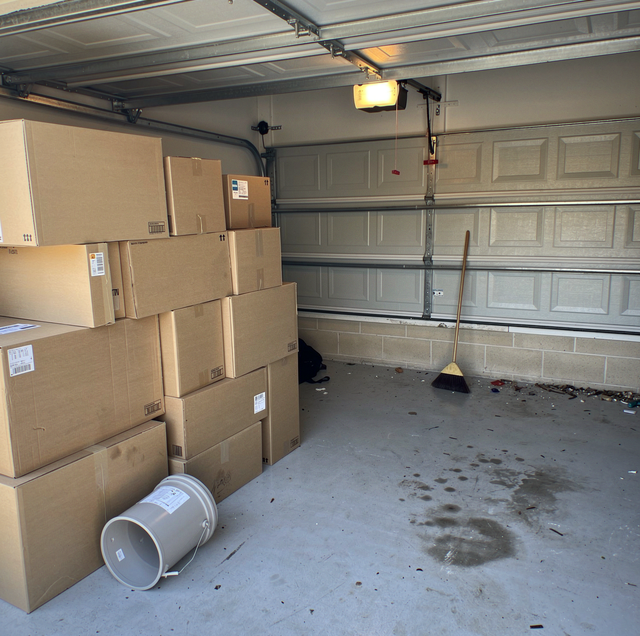
A buyer walking through a property for the first time is processing the whole space in a matter of minutes, and clutter reads as a signal before it registers as an object. A garage packed with boxes, a shed leaning at an angle, or a yard with a rusted swing set doesn't just look messy; it makes a buyer start doing mental math about what else on the property might need attention that isn't visible yet. Clearing that layer of visual noise lets the actual structure, the square footage, the layout, the condition of the yard, be the thing a buyer evaluates instead.
Sorting What Actually Needs to Leave the Property
Not everything on a property before a sale falls into the same category, and treating it that way can lead sellers to either over-clear (removing something a buyer would have valued) or under-clear (leaving something that actively hurts the sale).
| Category | Examples | What usually happens to it |
|---|---|---|
| Remove before listing | Broken appliances, scrap metal, unused furniture, yard debris, an unusable shed | Hauled off before photos and showings begin |
| Keep, but stage or clean | Working outdoor furniture, a functional storage shed, mature landscaping | Cleaned and arranged, not removed |
| Negotiate as part of the sale | Above-ground pool, a swing set in good shape, a storage building buyers may want | Left as a talking point in the offer rather than decided upfront |
| Requires a separate process | Old vehicles, boats, or equipment with a title | Confirmed for legal ownership and transfer before it can be hauled or included in a sale |
That last row trips up more sellers than the others. A vehicle, boat, or piece of titled equipment sitting on a property isn't the same as a couch or a broken grill; it usually needs its ownership and title situation sorted out before it can be hauled away or handed off as part of a deal, which is worth starting early since that process can take longer than the actual removal.
Why Sheds and Outbuildings Are Their Own Decision
A shed or small outbuilding sitting on a property before a sale is rarely a simple keep-or-remove call. A shed in solid shape, with straight walls, a roof that isn't sagging, and a door that still closes, is often worth keeping as a selling point rather than tearing it out. One that's leaning, has a soft or rotted floor, or is packed with items nobody's touched in years usually creates more buyer hesitation than it would take effort to remove.
The deciding factor isn't really age; it's whether the structure still does the job a buyer expects. A newer shed with obvious water damage can be a worse listing liability than an older one that's been maintained.
What Happens to Everything Once It's Sorted
Once items are sorted into the categories above, what leaves the property typically splits three ways: usable furniture and working items often get donated rather than hauled to a landfill, scrap metal and appliances get separated since many of those materials are recycled rather than dumped, and construction-type debris from anything torn out (an old shed, a section of fence) gets loaded and hauled as demolition debris rather than mixed in with household items.
Sorting that way before pickup, rather than throwing everything into one pile, also helps keep a property cleanout from taking longer than it needs to. A single mixed pile has to be sorted at some point, either way; doing it before the truck arrives, rather than after, determines which side of the job absorbs that sorting time.
Why the Order of Operations Changes How Much Rework the Job Takes
The sequence a seller follows, cleanout first or repairs first, changes how much extra work either step ends up creating. Clearing a garage or shed before a contractor or inspector walks through means whoever's assessing the repairs can actually see the walls, flooring, and framing instead of guessing what's behind a decade of stored boxes. Doing it the other way, scheduling repairs or an inspection around a cluttered space, often means a second visit once things are finally visible.
The same logic applies to yard work. Clearing brush, an old fence section, or a collapsed shed before landscaping or photography happens means the crew doing that later work isn't tripping over debris or working around a pile that was supposed to be gone already. Sellers who schedule cleanout and cosmetic work in the wrong order often end up paying for extra trips that a different sequence would have avoided entirely.
What a Buyer's Home Inspector Actually Notices About Clutter
A home inspection focuses on the structure and systems, not the seller's belongings, but clutter still gets in the way of that process more than most sellers expect. An inspector who can't get a clear line of sight to a water heater, an electrical panel, or a crawlspace access point because of stored items either notes it as an access limitation in the report or schedules a follow-up visit once it's cleared. Either outcome slows down a transaction that buyers and sellers are usually both trying to move quickly.
Clearing storage areas- the garage, a shed, an attic, a basement- before an inspection is scheduled removes that variable entirely. It also means the inspector's report reflects the actual condition of the house rather than a list of things they couldn't fully evaluate, which matters if that report becomes part of the negotiation later.
How Curb Appeal and Interior Clutter Work Together
Clearing the interior without addressing the exterior, or the other way around, usually undercuts the effort of either one. A spotless, decluttered interior loses some of its impact if a buyer's first view from the driveway is an overgrown yard or a sagging shed roof, since that exterior impression sets expectations before the front door ever opens. The reverse is also true: a tidy yard with a cluttered garage or a storage room stacked to the ceiling shifts the buyer's hesitation from the outside of the house to somewhere inside instead.
Treating interior and exterior cleanout as one project rather than two separate ones, scheduled around the same week rather than weeks apart, is what keeps the property presenting consistently from the curb all the way through the last room a buyer walks into.
When a Full Property Cleanout Makes More Sense Than a Partial One
Some properties call for clearing a single problem area, a garage, a shed, a back corner of the yard, while others are better served by treating the whole property as one project. That distinction usually comes down to how the property has been used leading up to the sale. A home that's been lived in and maintained typically needs a lighter touch: a few specific spots cleared, some yard debris hauled, maybe a shed sorted through.
A property coming out of a long-term rental, an estate situation, or years of deferred exterior maintenance more often needs a full pass: garage, yard, outbuildings, and any accumulated debris addressed together rather than piecemeal. Trying to handle that kind of property one corner at a time usually means more repeat trips than scheduling it as a single, larger job from the start.
Frequently Asked Questions
Most sellers start clearing the property two to four weeks before listing photos are scheduled, since that provides enough buffer to sort out any titled vehicle or equipment situation if one turns up, without leaving too long a gap for new clutter to accumulate before showings start.
Yes, though it usually shows up indirectly. Rather than a lower number, a cluttered exterior more often shows up as fewer offers overall or comments during showings that steer the conversation toward hesitation rather than interest.
Donation generally requires the item to still function and be in usable condition, with appliances that turn on and furniture without structural damage, while hauling away as debris covers anything broken, unusable, or not worth the time to find a donation outlet for before the listing deadline. Timing is the other practical difference: most donation charities schedule pickups a week or two out and often decline mattresses, box springs, or heavily worn upholstered furniture outright, while a debris haul can typically be scheduled and completed within a day or two, which matters when a cleanout is happening close to a listing date.
Sometimes, and it depends on whether the damage is cosmetic or structural. A shed with surface rust or peeling paint but a sound frame is often a quick cosmetic fix, while one with a soft floor or a leaning wall usually takes more effort to shore up structurally than it would to remove and let the buyer decide whether to rebuild.
A missing or unclear title is one of the most common reasons a vehicle's removal is delayed, since most haulers and scrap buyers will ask to see a title or proof of ownership before they tow anything off the property. If the title's lost, a duplicate can usually be requested through the local DMV or state motor vehicle office. However, it can take a couple of weeks to arrive depending on the state, which is part of why it's worth checking on early rather than waiting until pickup day. Calling the hauler or buyer ahead of time to ask exactly what paperwork they'll want on hand also saves a wasted trip if the truck shows up before the title question is settled.
Occasionally. An overgrown tree crowding a foundation, blocking a window, or dropping heavy debris on a roof can read as a maintenance concern rather than a landscaping asset, in which case removing or trimming it back would do more for a buyer's impression than leaving it as a larger, older tree would.
Which pile does that old shed or the swing set out back actually belong in: remove, stage, or negotiate? Answering that question for every item on the property before the truck shows up is usually the difference between a cleanout that wraps in a weekend and one that's still dragging on the week listing photos are supposed to happen.
Book a property cleanout — get a free estimate before your listing photos are scheduled. Polk Services LLC serves Lakeland, Highland City, and Mulberry. Call (863) 344-5806.
