

Leaving the water on seems like the careful thing to do while everyone works out who is coming down and when the house is going on the market.
Four Provisions Nobody Mentions at the Funeral
The sanitation charge, and what sits behind it
Auburndale declares its garbage collection and disposal system a public utility. Charges unpaid for 10 days after they fall due constitute a lien against the property from which the garbage is collected, and the city reserves the right to discontinue all public utility service until they are paid. On a house being prepared for sale, having a city shut-off is the kind of surprise that stops a closing.
One foot of grass
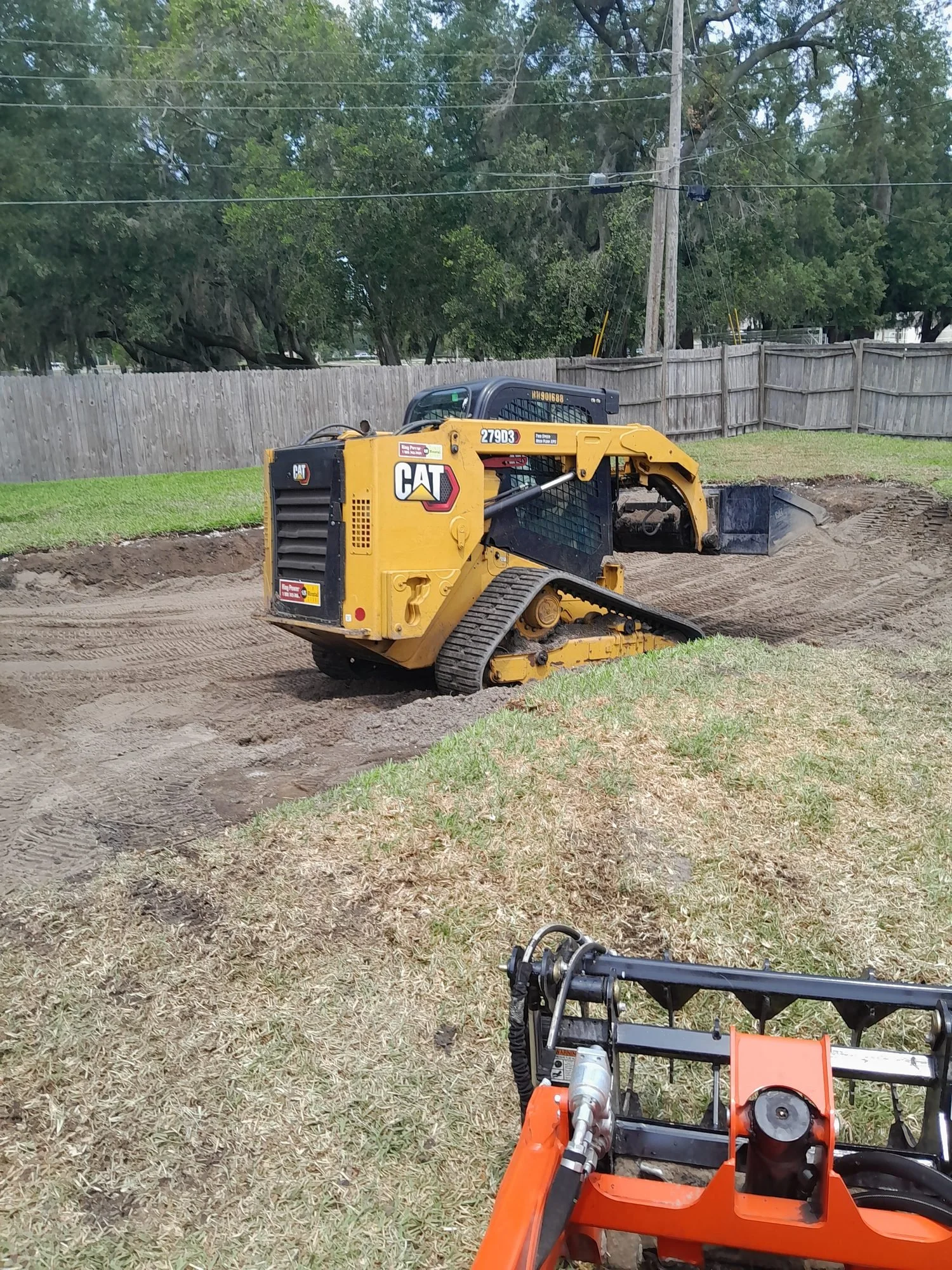
On a lot not in agricultural use, any growth of weeds or grass more than a foot high is declared a nuisance by the code, along with rank vegetable growth that may conceal filthy deposits or harbor insects. Trees on those properties are to be pruned to maintain clear visibility. In an Auburndale summer, a lawn reaches a foot faster than anyone out of town expects.
Ten days, then the city does it and bills the land
After notice from the city manager, the owner has ten days. If the work is not done, the city may clean up the premises and charge it against the property together with an administration fee, with the amount bearing interest at twelve percent a year and standing as a lien on the property equal in dignity with the taxes, enforceable the way delinquent taxes are.
And the car in the driveway
No person in charge of property in the city, as owner, tenant, occupant or lessee, may allow a partially dismantled, non-operating, wrecked, junked or discarded vehicle to remain on it longer than ten days, with the code's own exceptions for an enclosed building, a licensed business enterprise, and a storage depository the city maintains. The car that has not moved in three years is part of the cleanout, on a shorter clock than the house.
None of these start the moment somebody dies. They start when the property stops being maintained and somebody notices. The gap between those two things is usually the several weeks a family spends deciding what to do.
Seven Questions People Ask on the First Call
Who is actually allowed to let you clear the house?
What if there is no probate?
There is a will in a drawer. Does that matter?
The house is going to closing. Does any of this reach the title?
Can you start before all that is sorted out?
Does the yard come with it?
What about the appliances and the old television?
How an Estate Cleanout Is Quoted in Auburndale
The walk-through
Room by room, then the garage, then the outbuildings, then the lot. Donny establishes what is staying, what is going, what needs a different trade, and where the trailer can sit. On an occupied street, he checks the neighbors' access before he blocks anything.
Volume, then weight
Standard household categories start at a $300 minimum for the first four cubic yards. Concrete, masonry, and dirt are quoted at the heavy-material rate with a $500 minimum because they are priced by weight at the scale. A single mattress or carpet pickup may qualify for a $150 minimum. Beyond the minimums, a house is quoted per project as a written amount that covers labor, equipment, and disposal.
What we will not take
No asbestos, no wet paint, no chemicals, no pressurized tanks. Household hazardous materials belong at the county's facility, and Donny will point you to it before he leaves rather than let it sit in the garage.
Paying for it
Cash, check, card, and electronic payment accepted. No processing fee on cash or check; Donny states the card fee when he quotes. On an estate, there is usually one immovable date, a listing or a relative's visit, and the schedule is built backward from it.
The Polk Services Standard, on every job
Donny walks the job with you before he leaves, rakes the work area clean before he drives off, texts you 30 minutes before arrival, and gives you both a verbal and a written quote up front. No sub-crews, no surprise pricing, and the site left ready for whatever comes next.