

Foot Valve vs. Check Valve: Same Job, Different Risk
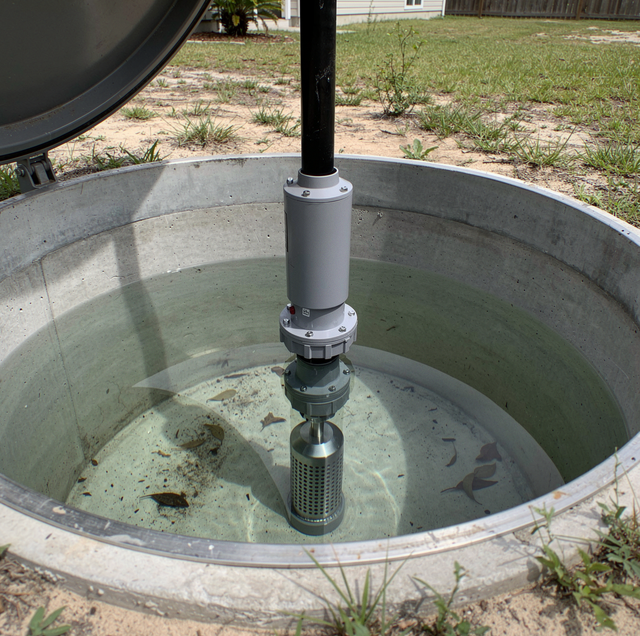
A foot valve and a check valve do the same basic job: each is designed to prevent water from flowing backward through a pipe. That's the whole one-line description, and it's identical for both parts. Everything else about them is different, and the reason is where each one sits in the system. A foot valve lives at the bottom of the suction line, submerged in the well, pond, or ditch that feeds the pump. A check valve lives on the discharge side, in the pressurized line the pump pushes water into. Same function, opposite ends of the system — and that one difference in position decides how each part wears, how each one fails, and what a technician has to do to reach it.
Where the Foot Valve Sits and What That Position Does to It
The foot valve sits at the very bottom of the suction line, below the water level in a well casing, a pond, or an irrigation ditch. Structurally, it's a check valve with a strainer built into the same body, so the one-way seal and the debris screen come as a single fitting rather than two separate ones. Its job on that end of the system is to hold the column of water in the suction pipe once the pump shuts off, so the line stays full, and the pump doesn't have to pull water up from empty the next time it starts.
That bottom position is also what works against it. A foot valve sits in the part of the system where sand, sediment, algae, and other debris settle and collect, simply because that's where the water is dirtiest, at the intake, before anything has been filtered or treated. Every time the valve closes, it must seat cleanly against the debris load. Grit gets caught under the seal, the flapper wears from constant opening and closing, or the spring that holds it shut loses tension over time. None of that is a defect in the part; it's what happens to any check-type valve that has to seal while sitting in the dirtiest water in the system.
When a foot valve stops sealing, the pump loses the water it was holding in the line overnight and won't pull water the next time it's asked to run. That particular symptom, and its cause, get their own full explanation elsewhere. What matters here is the position: a foot valve fails the way it does because of where it sits, not because it's a weaker part than the check valve on the other end of the system.
Where a Check Valve Sits and What That Changes
A check valve sits on the discharge side of the pump, in the pressurized line between the pump and the rest of the system, typically near the discharge port and ahead of the pressure tank. Its job matches the same one-line description as the foot valve's: stop water from running backward. On this end, that means keeping the pressurized water already in the tank and the piping from pushing back through the pump the moment the motor shuts off.
Position changes almost everything else about it. A check valve isn't sitting in raw well water or pond water full of sediment; it's sitting in the clean, already-pumped, pressurized side of the system. It isn't buried at the bottom of a casing or a pond either; it's usually in the pump house or in the aboveground piping, in a spot a technician can access without pulling anything out of the ground or the water. Its wear pattern reflects that: instead of grit fouling a seal, a check valve deals mostly with the mechanical stress of pressure cycling, opening and slamming shut every time the pump starts and stops.
What a Failed Foot Valve Does to the System
On the suction side, a foot valve that has stopped sealing allows water in the line to drain back down between pump cycles. The pump then has to reprime, pulling the line back up to full, before it can move water again, and a pump that can't reprime is the single most common reason for a "my pump won't pull water" service call on these systems. That failure pattern, and how to tell it apart from other causes of lost prime, is covered in its own article; the short version here is enough to make the contrast with the discharge side clear.
Because losing prime is disruptive and easy to notice, a foot valve is one of the parts checked on every irrigation pump diagnostic, and it's routinely replaced as a matter of course when a residential sprinkler pump is first installed.
A foot valve that has just started leaking can still hold enough prime to run a day or two before it fails outright, so a small drop in morning pressure is worth a diagnostic call before prime is lost entirely.
What a Failed Check Valve Does to the System
A failed check valve produces a different set of symptoms, because it's guarding a different kind of backflow. Instead of the suction line draining, a faulty check valve lets pressurized water in the tank and piping push back through the pump every time the motor cycles off. That backward surge can show up as a pressure switch that cycles on and off more often than it should, a banging or hammering sound in the pipes when the valve slams shut against the returning water, or a pump motor that starts and stops far more frequently than normal system use would call for.
None of that is a loss-of-prime problem, and it doesn't necessarily leave the suction line empty the way a foot valve failure does. The system stays primed; what changes is how hard the pump and the pressure switch work each time the motor cycles, and that extra cycling is itself a source of additional wear on parts that were never built to work that hard.
Why a System May Carry Both
A foot valve and a check valve aren't doing redundant work, even though the one-line description of each is "stops backflow." They're guarding two different points in the same system against two different consequences. The foot valve protects the suction side and keeps the pump primed; the check valve protects the discharge side and keeps pressurized water from pushing back through the pump body. A system that only has one of the two is only protected at one end: a foot valve alone does nothing to stop discharge-side backflow, and a check valve alone does nothing to hold prime in the suction line.
That's why both are treated as standard, ordinary parts of the system rather than an either-or choice. For irrigation setups, residential sprinkler pumps, and turbine setups, checking and servicing both the foot valve and the check valve is routine work, not a special case reserved for one type of system.
What Position Means for Getting at Them
Position decides how hard each valve is to reach, and that difference shapes how a diagnostic gets worked. A check valve, sitting in the discharge line near the pump, is generally accessible without disturbing anything down in the well or the water source; a technician can usually get to it and rule it in or out without pulling the pump or the line.
A foot valve is a different story, because it sits at the bottom of the suction line, underwater, whether that's down a well casing or out at a pond or ditch intake. Confirming that it's actually the foot valve at fault, rather than something else in the system, is worth doing before any of that happens, since pulling a line or a pump assembly is real work, and it should follow where the diagnostic points, not a first guess.
Because a foot valve sits at the bottom of the suction line or pond intake, confirming it's the actual problem before pulling anything saves a wasted trip; a technician checks the accessible check valve and the rest of the system first.
Frequently Asked Questions
A flapper, sometimes called a poppet, seats against a ring inside the body every time flow stops, and the two common arrangements behave differently in service. A gravity flapper depends on the weight of the water above it and needs the valve to hang close to vertical to seat squarely, so one dragged over at an angle by the suction line can leak while still looking undamaged. A spring-loaded flapper closes quickly in any orientation, which suits a tilted or horizontal intake, but the spring becomes a wear item of its own, and a weak one holds the flapper just off its seat. The seating face is usually an elastomer rather than bare metal, which is why a valve can seal against fine grit for years and then stop once that face takes a nick.
Many multi-stage submersible pumps have a check valve built into the pump's own discharge outlet, in addition to any separate in-line check valve installed further up the pipe. That means a single system can have more than one check valve working the same basic job at two different points.
Yes, it's less common than a worn-out seal, but debris can also wedge the flapper open, letting sediment pass straight into the suction line and toward the pump instead of being screened out. That's a different failure mode from the seal simply wearing down over time, and it can let grit reach the pump itself rather than just costing it prime.
On longer discharge runs, a second check valve is sometimes placed farther down the line, which breaks the standing column of water into shorter sections. That way, if one valve does fail, only the shorter section behind it drains back instead of the whole line.
Check valves are directional. Every check valve has a marked flow arrow on the body, and it has to go in so that the arrow matches the direction water is actually moving; installed backward, it doesn't just fail to stop backflow, it blocks the pump from moving water at all.
Turbine setups can involve check valve work at more than one stage along the pump column, not just a single valve in the discharge line, because the vertical column of water is longer and heavier and has more places it can slam back down when the motor stops. Checking that column is part of normal turbine service.
Schedule a valve diagnostic — find out which one, if either, is behind what you are seeing. Perry-Pump Repair Service LLC serves Lake Butler, Gainesville, and Alachua. Call (352) 320-2412.
