

Pump Seal Failure: 5 Signs Water Is Reaching the Motor
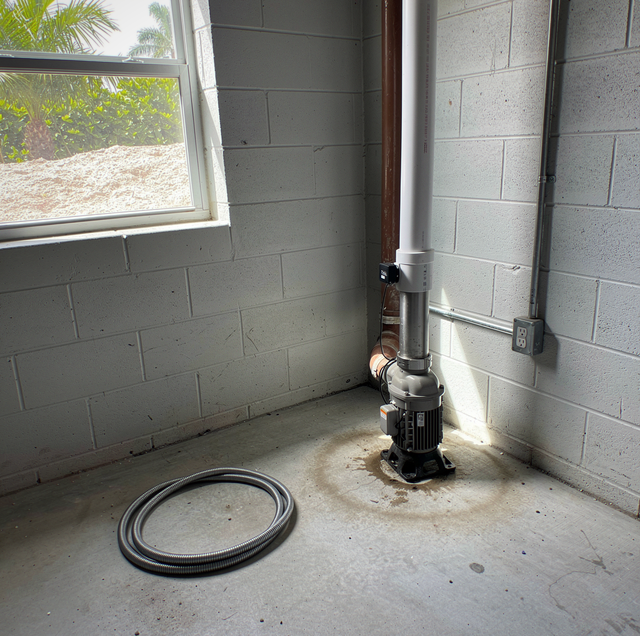
Follow a single drop of water from the point it first slips past the shaft seal, and you can predict almost everything that happens next to the pump. The seal sits where the motor shaft passes into the wet end, spinning thousands of times a minute with only a thin ring of contact keeping the pumped water on one side and the dry motor on the other. When that ring stops holding a tight line, the drop doesn't just disappear; it moves down the shaft, out along the housing, past the bearing, and eventually into the space where the wiring lives. Each stop it makes along the way leaves a sign you can see or hear before the pump fails outright, which is why a seal problem caught early rarely ends the same way as one that gets ignored for weeks. Knowing which stage you're looking at is what separates a quick-service call from a pump that has to be removed from the ground entirely.
The Seal Face Itself: Where the Leak Begins
A shaft seal that's begun to fail behaves a lot like a small leak in a roof. The first drop rarely lands anywhere near where the trouble started, and by the time it's visible, it's already found the path of least resistance to somewhere that matters. The mechanical seal itself is two flat faces pressed together under light spring tension, riding a hair's width apart with only a thin film of water between them for lubrication. As long as that film stays even, the faces run true and almost nothing gets past. Grit in the water, a shaft that's picked up a wobble from worn bearings, or faces that have simply worn past their working life all break that even film. Once it breaks, water starts finding its way along the shaft instead of staying in the wet end. This first stage produces no outward sign at all; it happens inside the pump housing, at the seal itself, before anything reaches a surface you can inspect without opening the unit.
The Weep That Shows up Outside the Pump
The next place that drop travels is out, along the shaft and down the outside of the housing, and this is the first stage an owner can actually catch. A failing seal typically shows as a slow weep: a damp ring or mineral stain at the base of the motor, a slight drip that shows up during a cycle and stops when the pump shuts off, or a faint metallic smell where water has been sitting against metal. It's rarely a spray or a steady stream this early; that stage comes later, once the faces have worn further. With an irrigation pump running for long stretches during periods of heavy watering demand, this stage can pass quickly. A pump that cycles in short bursts wears its seal slowly. One running four to eight hours a day through heavy irrigation use puts far more hours of shaft rotation, and far more wear, on that seal in a matter of weeks than a household well pump sees in a year of normal, short-cycle use.
The Bearing Downstream of the Leak
Past the seal, the drop's next stop is the bearing that supports the shaft. Water intrusion here is a separate mechanism from ordinary bearing wear; a booster pump sitting above ground in the sun and dust already runs its bearings hard, and that wear pattern is worth tracking on its own terms. What a seal leak adds is water where there shouldn't be any: washed-out grease, a bearing running dry in spots, or fine grit carried in on the leak working its way into the races. If you're hearing a grinding or rough cavitation-type noise along with a weep, that's usually the bearing itself announcing wear rather than the seal, which is worth flagging separately when you call it in, since it points a technician toward two different parts to check.
A weep that only shows up during a cycle and dries between runs is easier to catch early than one that's already constant. Call as soon as you notice a new stain or drip pattern at the base of the motor.
Water Reaches the Motor Housing
Once water passes the bearing, it reaches the sealed cavity where the motor itself lives, and the drop has now crossed the line the seal was meant to hold. Everything up to this point was a leak. From here it's an electrical problem wearing a plumbing problem's clothes.
Water doesn't spread evenly through that cavity; it collects at the low point of the housing and sits there, which is why this stage can run for weeks with the pump still doing its job. A mid-cycle pressure fade is one tell that it's happening, though that symptom has several other causes and sorting them out is its own diagnosis. What defines this stage isn't the symptom. It's the position: the water is inside, the housing has no drain for it, and the only place left on the drop's path is the winding.
A motor housing with water inside it is an electrical hazard, not just a performance problem. Don't open the housing or touch any wiring. Shut the pump off at the disconnect and call a technician to check it.
The Winding: Where a Seal Failure Ends
The last stop for that original drop is the winding itself, the coiled wire the motor actually runs on. Once water reaches it, the insulation around the windings breaks down and the motor shorts. This is the stage a seal failure has been heading toward since it started weeping, and it's usually no surprise if the earlier stages went unaddressed. A motor that hums without starting, won't start at all, or simply goes dead mid-cycle after a history of a weeping base is very often a winding that finally shorted from water that got in weeks or months earlier. By this point, the fix is no longer about the seal alone; the motor itself may need to be pulled and evaluated. Catching the problem at an earlier stage is almost always the difference between a simple repair and a full pump replacement.
Frequently Asked Questions
A fitting leak usually drips from a joint or union on a fixed pattern tied to water use and stays localized to that connection point. A seal weep tracks the shaft instead, showing as a stain that radiates outward from the base of the motor rather than from a threaded joint, and it often carries a faint mineral or rust tint from water that's been sitting against the housing.
Yes. On some booster setups, the weep point sits behind discharge plumbing or a mounting shroud where it isn't visible, so the first thing an owner notices may be rust bleeding at the base of the motor rather than an actual drop of water. That bleed-through deserves the same response as a visible weep.
Beyond total running hours, a seal takes its heaviest wear at each start, before the faces are riding on a full water film. A pump cycling on and off repeatedly during a heavy-use stretch can rack up more dry-start moments in a few weeks than a household pump sees in a year of short, infrequent cycles.
Not always. Water can sit in the housing for a while before it reaches the windings themselves, depending on where the low point of the housing sits. A technician can sometimes catch it with an insulation resistance test that shows the winding is still intact even though the housing already has water in it, which is a better outcome than waiting for a short to show up.
It depends on the configuration. On a close-coupled centrifugal booster, the motor separates from the wet end at the adapter bracket, so the seal is reached without disturbing the suction and discharge piping, provided unions were fitted on both sides when the pump was installed. On a submersible, the whole assembly comes out of the well regardless of what's actually wrong. Face material is part of the same conversation: a standard carbon-against-ceramic set is the usual replacement, while water-carrying grit calls for harder faces such as silicon carbide, which resist abrasion better than the standard pairing.
It's possible, particularly on a pump that's been rebuilt more than once. A grooved or pitted shaft sleeve can let water past even when the seal itself is in reasonable shape, since the seal faces need a true, smooth surface to ride against. A technician checks both parts together rather than assuming the seal alone is at fault.
Schedule a pump inspection — catch a weeping seal before it reaches the motor windings. Perry-Pump Repair Service LLC serves Lake Butler, Gainesville, and Alachua. Call (352) 320-2412.
