

Old Appliance Still There? Your Delivery Slot Won't Wait
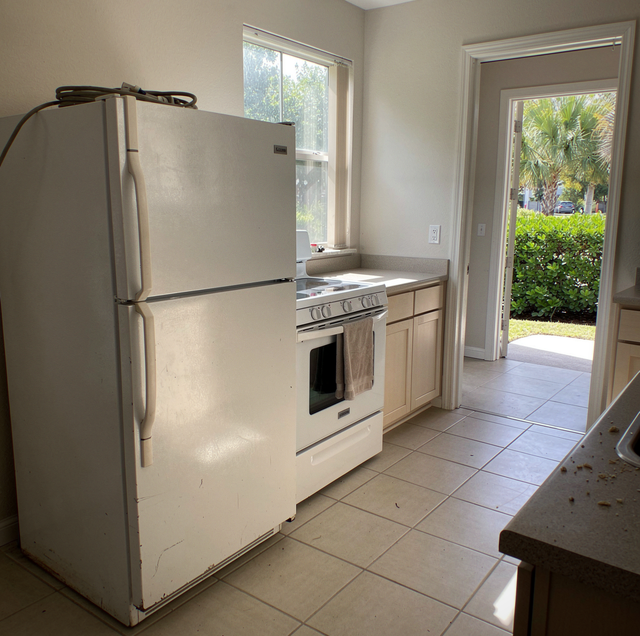
Your delivery window is a single block of time, and the truck pulling up during it is already routed to several more stops that same day. Installers who walk into a space that still holds the old unit don't stop to help you sort it out. They work the schedule they were handed, and a cleared, accessible spot is the one part of that schedule you actually control.
What Has to Happen before the Window Opens
Getting the old appliance out ahead of a delivery is a coordination problem, not a hauling problem. The pickup gets scheduled to finish before the delivery window opens, not sometime that same week. The two appointments are deliberately set against each other, with one built to close out before the other begins. Same-day and next-day pickup is common when the calendar allows, which matters most when the delivery date arrives on short notice, and there isn't much runway to plan around.
That timing starts with a quick look at the job. A few texted photos give you a quick read on the job, but a written estimate confirms the full scope: how many pieces are coming out, what access looks like, and whether anything beyond simple removal is involved. Locking that in early makes same-day scheduling around a fixed delivery slot realistic, rather than a guess made the night before. Skip that step, and you're trying to sequence two appointments off incomplete information, which is exactly how a pickup slips past the window it was supposed to beat.
Photograph the empty space right after pickup: doorway, floor, and outlet all visible, so you can confirm to the installer that the spot is clear before they unload.
What the Installer Checks on Arrival
A delivery slot works like a fixed-slot booking with no slack built in (a dock slot, a gate departure) where the vehicle is already committed to its next stop before it's finished with yours. The installer's first move at your door isn't unloading the new unit. It's a quick read of the space: is the spot open, is the path to it clear, can the new appliance actually get where it's going without something blocking the way.
That check happens before anything comes off the truck. If the old appliance is still sitting in the spot, even if it's unplugged or pushed a foot to the side, the installer is looking at the same obstacle whether it's running or not. The check isn't about whether the unit is dangerous or in the way of foot traffic generally. It's specifically about whether the footprint the new appliance needs is open and reachable, start to finish, without anything in that path.
Why an Occupied Space Stops the Install Cold
Two separate issues can happen here, and they're not the same thing. If haul-away wasn't purchased as part of your order, removing the old unit wasn't part of the visit to begin with, so there's nothing for the delivery crew to fall back on. Even when haul-away was purchased, it only applies once its own conditions are met: the old unit disconnected, clear of its connections, and a genuine like-for-like swap for what's being delivered. Separately, and more relevant to your slot, installers commonly won't set a new appliance into a space that isn't clear and accessible. An occupied footprint isn't a minor inconvenience they work around. It's a stop.
A disconnected appliance can still be holding water in the lines. Shifting or tipping it during a rushed pickup can send that water across the floor right as a delivery crew is trying to move fast in the same space.
Both of those refusals trace back to the same root cause: the space wasn't ready when the truck arrived. One results in the old unit staying put a little longer than planned. The other results in the new one never coming off the truck at all, which is the outcome that actually costs you the day.
What a Refused Install Costs You in Time
Delivery crews run a routed schedule with multiple stops booked back-to-back. A delay at one address doesn't stay contained to that address. It pushes every stop scheduled behind it, which is part of why a crew that shows up to an occupied space usually won't linger while you scramble to clear it on the spot. They have somewhere else to be, and that somewhere else is already running on the same tight margin your stop was.
When an install gets refused for that reason, it typically doesn't turn into a same-day return trip. It usually means rebooking into the next available slot on that crew's route, which puts you back in line rather than back on today's list. The appliance you were expecting to have running that afternoon stays boxed and waiting, and the old unit you meant to have gone is still sitting exactly where it was. The whole point of coordinating the two appointments in the first place was to avoid landing in that position.
Keeping the Two Delivery-Day Schedules Lined Up
The pickup and the delivery are two separate schedules that only work if they're deliberately set against each other, with the first one finishing ahead of the second. Once the written estimate confirms scope, locking the pickup to a specific window, rather than a loose "sometime this week," is what keeps that sequencing intact instead of leaving it to chance, and it's also where a job needing a licensed trade referred out for gas or hardwired electrical work gets flagged early enough to build in the extra time it takes.
If your delivery date shifts once it's already booked, it's worth flagging that change on the pickup side too. The whole reason for scheduling one appointment ahead of the other is to keep the gap between them accurate, and a delivery date that moves without the pickup date moving with it can undo the sequencing you set up in the first place.
Frequently Asked Questions
That's a separate problem from clutter, and it stops the install just as fast. If the outlet, water line, or gas stub sits in the wrong spot for the new unit's connections, the installer typically can't relocate that hookup on the spot, since that's electrical or plumbing work outside a standard visit. Confirming hookup placement ahead of time is part of what keeps that day from stalling.
They're often entirely different companies, and that's fine as long as the timing lines up. A retailer's delivery crew runs its own route on its own schedule, and an independent pickup crew runs a separate one. What matters isn't who is who; it's that pickup is booked to finish before the delivery window opens, since neither crew coordinates with the other automatically.
It can, and it's an added layer for anyone in a condo or apartment building. A dock or elevator slot is often reserved separately from the delivery window itself, so the appliance can be on the truck and on time while building access still isn't lined up. Reserving that access for both visits, not just one, keeps a building-side delay from undoing the sequencing on its own.
Both. A spot that's empty but reached through a hallway turn too tight for the new unit, or a stairwell the old one never had to pass through, can still stop the install even though the room itself looks ready. Installers typically measure the entire route from the door to the final spot, not just the footprint at the end, before anything comes off the truck.
Yes. Access is typically needed for both visits independently. Being available for the pickup doesn't substitute for being reachable during the delivery window, since they're two separate appointments on two separate schedules.
That changes the pickup, not the delivery. A built-in unit often needs trim pieces or a mounting bracket removed before it comes free, which takes longer than lifting out a standalone appliance. Flagging that detail when the pickup is booked keeps the extra time on the pickup's schedule, rather than discovering it mid-visit, which protects the delivery window sitting right behind it.
Clear the space before the delivery window opens — schedule the old appliance to be picked up before your install. Polk Services LLC serves Lakeland, Highland City, and Mulberry. Call (863) 344-5806.
