

How to Get Rid of Bulky Items Without the Hassle
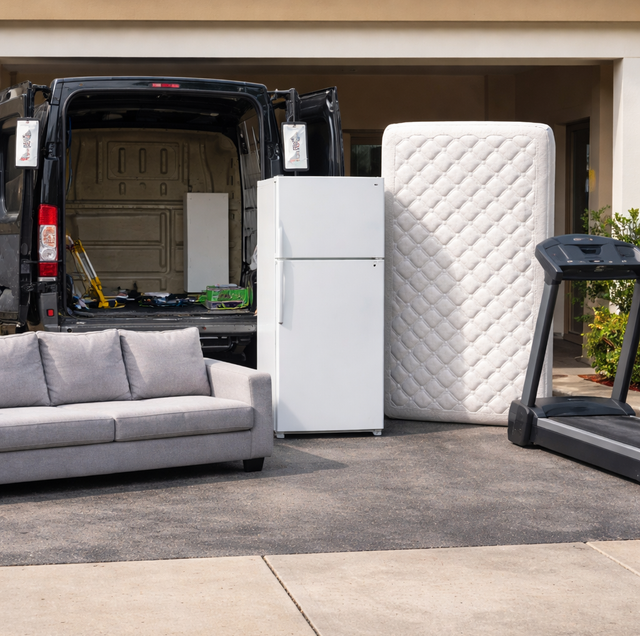
Quick Answer: Bulky items usually need one of these routes: donate or sell anything still usable, book a scheduled municipal large-item pickup, recycle metal appliances and electronics through the right program, ask a retailer to haul away your old unit when a new one is delivered, rent a dumpster for a big cleanout, or hire full-service junk removal to lift and load it for you. Refrigerators, TVs, mattresses, and hazardous materials all have separate rules, and those rules change from one area to the next.
An old refrigerator, a sagging sofa, a treadmill nobody uses, a tube TV gathering dust in the garage. These are the items that sit for months because there is no obvious way to move them out. You cannot drag most of them to the curb and expect them gone by morning, and cramming them into a car rarely works. Knowing your real options ahead of time saves you a wasted afternoon, spares your back, and keeps you clear of the fines that follow an illegal dump-off.
Why Bulky Items Are Not Regular Trash
Household waste collection is built around bins of a set size. A sofa, a washing machine, or a queen mattress does not fit that model, so most collection routes will not take them on a normal pickup day. Leaving a large item at the curb without arranging a pickup can earn a citation, since abandoned bulk waste blocks sidewalks and attracts more dumping.
Weight and materials add a second layer. A full-size refrigerator can top 250 pounds, and a cast-iron tub or a solid-wood armoire is heavier still. These items combine steel, foam, glass, sealed refrigerant, and electronics, and different pieces are handled in different waste streams. A useful way to think about it: sorting bulky items is less like taking out the trash and more like returning library books to separate shelves; each one has a place it belongs, and dropping them all in one pile is what causes problems.
Understanding the material mix before you move anything tells you which route applies, whether the item can be donated, recycled, or needs special handling.
The Disposal Routes, From Reuse to Removal
Work down this list in order. The greener and often easier choices sit near the top.
Donate Usable Furniture and Appliances: If a piece is clean, structurally sound, and working, a charity resale operation may want it. Many run a truck and will pick up larger items from your home, which solves the moving problem for you. Condition rules are strict: most groups decline anything torn, stained, water-damaged, or missing parts, and they will not take a recalled item or a mattress in poor shape. Appliances usually need to power on and be free of rust or leaks. Call first, describe the item honestly, and ask whether pickup is available in your area and what their cutoff for condition is.
Sell or Give It Away: A working item with some life left can move fast through an online marketplace, a yard sale, or a neighborhood giveaway group. Take clear photos, list real dimensions, and note any flaws so nobody backs out at the door.
Listing a working item as free with a "you haul it" note often clears a heavy piece the same week, since the person who wants it handles the lifting.
Municipal Bulk-Trash Pickup: Many collection services offer a scheduled large-item pickup, sometimes a set number of free pickups per year, sometimes on a call-ahead basis. The rules vary widely: some limit how many items per visit, cap the weight, require items at the curb by a certain hour, or exclude appliances with refrigerant. Check your local solid-waste guidelines for what qualifies and how to schedule, because putting out an item they do not accept can leave it sitting for weeks.
Recycle Metal, Electronics, and Mattresses: Steel appliances like washers, dryers, and stoves are largely recyclable metal, and scrap yards or transfer stations often accept them. Televisions and other electronics are e-waste; they contain heavy metals and belong at an e-waste drop-off or collection event, not in the regular trash. Some regions run mattress recycling programs that break the unit down into foam, fiber, and steel springs for reuse. Availability differs by area, so confirm what your local recycler takes before you load up.
Retailer Haul-Away on Delivery: Buying a new appliance or mattress is one of the easiest times to get rid of the old one. Many retailers will remove your existing unit when they deliver the replacement, and some do it as part of the delivery. Ask about it at purchase, since haul-away often has to be arranged in advance rather than requested at the door, and confirm whether the old item needs to be disconnected and accessible before the crew arrives.
Rent a Dumpster for a Big Cleanout: When you are clearing a whole garage, a full estate, or a remodel, a rented roll-off dumpster lets you work at your own pace over several days. It suits high-volume jobs, though you still do the lifting and loading, and most rentals prohibit certain items such as tires, appliances with refrigerant, and hazardous materials.
Full-Service Junk Removal: If you would rather not touch the heavy items at all, a junk removal crew brings the labor and the truck. They lift, carry, and load, then sort the load so usable pieces go to donation and recyclables go to the right facility. This is the route for a second-floor sofa, a hot tub, or a pile of mixed items you have no way to haul yourself.
Items That Need Special Handling
Some things carry rules that override everything above. Get these wrong, and you risk a fine or a safety hazard.
Cooling appliances hold refrigerant in a sealed line that a certified professional must recover before the unit is scrapped, so never puncture a line or send a cooling unit to general scrap yourself. Before an old fridge or freezer leaves your home, remove the doors or secure them shut, since an empty unit with a latching door is a well-known child-entrapment danger.
Televisions and Electronics: Old TVs, monitors, computers, and similar gear are electronic waste. Tube and flat-panel screens can contain lead, mercury, or other materials that should not go to a landfill, which is why many areas ban them from regular trash outright. Route them to an e-waste program or a certified electronics recycler.
Mattresses and Box Springs: Mattresses compress in a way that fouls compactor equipment, so many haulers will not take them curbside. Where a recycling program exists, the mattress is dismantled, and its foam, fabric, and steel are recovered. Wrapping a mattress in plastic before it leaves the house keeps dust and pests contained during transport.
Hazardous Materials: Paint, solvents, motor oil, pool chemicals, pesticides, propane tanks, tires, and batteries do not belong in regular trash and are usually banned from bulk pickup and dumpsters alike. These go to a household hazardous-waste collection site or a designated event. Because acceptance and scheduling differ everywhere, verify the rules for your area before you set anything out.
Moving Heavy Items Without Getting Hurt
Bulky items send people to urgent care every week, usually with a strained back or a crushed foot. A few habits prevent most of it.
Never move a large item alone if you can avoid it. Two people sharing the load beats one person straining under it all, and an appliance dolly or a set of moving straps shifts the weight off your spine and onto your legs. Lift by bending your knees, not your back, and keep the load close to your body. Clear and measure the path first; doorways, tight turns, and stairs are where items get dropped, and hands get pinched. Protect the door frames and floors with padding if you can. And know your limit: if an item is too heavy or too awkward to move safely, that is exactly the moment to call in help rather than force it.
How to Prep an Item Before It Goes
A little preparation makes any route go smoother and can be the difference between an item being accepted or refused.
Empty it out first. Clear a fridge or freezer of food, defrost it, and let it dry so it does not leak or grow mold in transit. Take drawers and shelves out of dressers and cabinets to cut the weight and keep them from sliding. Disconnect appliances properly, unplug them, and shut off and cap the water line on a washer or icemaker before you unhook it. Give donated items a quick clean, since a wiped-down piece is far more likely to be accepted. For anything being recycled or picked up, follow whatever prep the program asks for, such as bagging hardware or removing doors.
Above all, remember that the specifics shift from one place to the next. Pickup schedules, accepted materials, e-waste bans, and hazardous-waste sites are all set locally, so confirm your own area's guidelines before you commit to a route.
Frequently Asked Questions
It depends on your local rules, but many areas treat microwaves, toasters, and similar small appliances as e-waste because of their circuit boards, which means they are banned from regular trash even though they fit in the bin. A microwave also has a capacitor that can hold a charge after it is unplugged, so it should never be opened up at home. Check whether your area has a small-appliance recycling drop-off.
Scheduled municipal pickups often run on a weekly or biweekly route, so booking three to seven days ahead is common, and demand tends to spike after holidays and around the first of the month when leases turn over. Booking early also protects you from a rule many people miss: items set out before the assigned window can be treated as illegal dumping, so timing the drop-off to the pickup date matters as much as the booking itself.
Reuse keeps the whole item in service; a donated sofa is used again as a sofa. Recycling breaks an item down to its raw materials, so a scrapped dryer becomes recovered steel rather than a working dryer. Disposal is landfill, the last resort for anything that cannot be reused or recycled. Sorting an item toward the highest tier it qualifies for is what keeps usable goods and recoverable metal out of the ground.
For a donation or resale pickup, leave furniture assembled unless the crew tells you otherwise, since they would rather receive a complete piece. For disposal, breaking a large item down into smaller sections can help it fit a weight or size limit, and removing cabinet doors or table legs makes a heavy piece easier and safer to carry through a doorway. Keep any hardware bagged and taped to the item if it is being donated.
Yes. Most will refuse hazardous materials outright; wet paint, solvents, asbestos, medical waste, ammunition, and pressurized tanks are common hard exclusions because they cannot go to a standard transfer station. Some also cap the weight of dense debris like concrete or dirt, since a small volume can exceed a truck's legal load limit. Ask about exclusions before you book so nothing is left behind.
A broken but metal-heavy item, a dead washer, a bent bed frame, a rusted grill, still has scrap value and belongs at a scrap-metal recycler rather than a landfill. Ferrous metals like steel and iron are separated from non-ferrous metals like aluminum and copper during processing, which is why recyclers often ask you to note what an item is made of. Anything with a sealed refrigerant line still needs professional recovery first, even if it is headed for scrap.
Clear out those bulky items for good — Polk Services lifts, loads, and hauls it all so you don't have to. Polk Services serves Lakeland, Plant City, and Bartow. Call (863) 344-5806.
