

Senior Downsizing: What Has to Happen Before Move Week
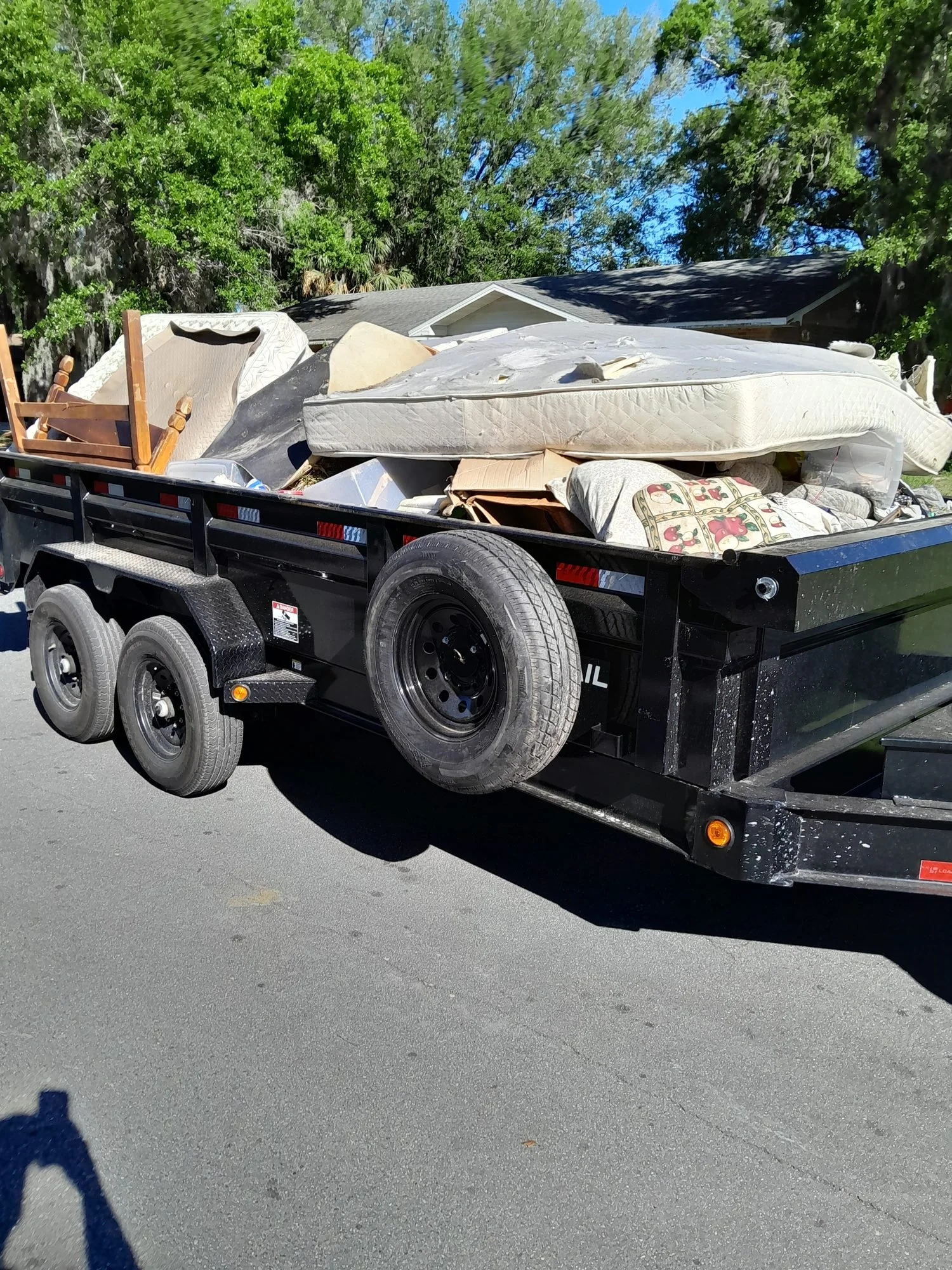
Quick Answer: Work backwards from the move date, not forwards from the clutter. Paperwork and the garage need months, charity and hazardous waste collections run on calendars you do not control, and clothing and kitchen can compress into weeks.
You decide, in good time, that the china cabinet is not coming. Then the charity that would take it cannot send a truck for three weeks, the consignment shop wants to see it before committing to anything, and the paint and pool chemicals in the garage turn out to need a collection date set by the county rather than by you.
The decisions were fine. The calendar was never yours.
Most of what goes wrong in a downsize is scheduling. The order of operations is what decides whether the final month is calm or frantic, and the order is not the obvious one.
Twelve Weeks Out: Measure, and Start What Cannot Be Rushed
Square footage is the number everyone quotes and the least useful one available. A home can lose four hundred square feet and barely lose storage, or lose two hundred and lose half of it, depending on where the closets fall.
Four numbers do the real work, taken in the new place and then in the old one:
Linear feet of hanging rod. Clothing is the most overestimated category in any move, and the ratio between those two numbers is your honest answer.
Linear feet of cabinet and drawer run. A kitchen dropping from forty linear feet of cabinet run to twenty cannot hold two sets of anything.
Uninterrupted wall space. Measure the clear runs between obstructions. Windows, doors, radiators, and closet swings eat wall, and bookcases and dressers need clear wall to stand against.
Doorway widths and the tightest turn on the route in.
Two categories start now as well, because both defeat every compressed schedule. The paper archive cannot be sorted quickly and cannot easily be handed to somebody else, since only you know which folder matters. The garage and workshop hold things that cannot travel on a general load at all: gasoline left in mower and trimmer cans, two-stroke fuel mix, pesticide and fertilizer concentrates, and fluorescent tubes all belong at a household hazardous waste collection site, and both what they accept and when they run are set locally.
Ask the new community for its move-in rules before booking anything. Many assign a single reserved window and a service entrance, and that slot caps how much can arrive in one day, regardless of truck size.
Ten Weeks Out: The Things That Almost Never Fit
Some categories fail the measurement test nearly every time. Settling them early spares you weeks of deliberation over pieces that were never coming, and it has to happen before anything gets booked.
Full-size appliances. Most units and communities supply their own, and a second refrigerator or a chest freezer has nowhere to live.
Oversized case furniture. Sectionals, china cabinets, entertainment centers built for a tube television, dining sets that seat ten. These were sized for rooms that no longer exist.
The duplicate kitchen. Thirty years in one house produces two of most things and a specialty tool for each of them.
You should not be the one carrying furniture down stairs or working from a ladder to clear a closet shelf. Falls during a move are common and change the outcome far more than any decision about what to keep.
Eight Weeks Out: What Charities Will and Will Not Take
People consistently overestimate what charities accept, and the discovery usually comes late enough to wreck a schedule. Finding out now is what makes the next step possible.
Upholstered furniture is widely declined as a category rather than item by item, because an organization has no way to verify what has been living inside a cushion and cannot risk introducing it to a warehouse. Particleboard furniture rarely survives being moved twice and is often refused on sight. Cribs and drop-side furniture, recalled items, and anything missing its safety label are refused for reasons that have nothing to do with condition.
A leftover pile is normal. Plan a haul-off for it now, while there is still room in the schedule to place one.
Six Weeks Out: Book the Calendars You Do Not Control
This is the step people skip, and by now you know enough to do it properly.
Charity pickups often schedule out several weeks when demand is high. Consignment and auction houses want to assess items before they commit to taking them. A specialty piece may need a buyer found rather than a truck booked. Hazardous waste collection runs on published dates that do not move for you.
Book those, then work the sorting backwards so each pile is finished before the date it has to leave.
Where a Storage Unit Fits
A unit can land anywhere on this timeline, which is part of why it gets used badly.
It works as a bridge with a defined end: closing dates that do not line up, a renovation to finish, or pieces an heir has committed to collecting on a stated date. It works poorly as a way to postpone deciding, because nothing about an item changes while it sits there. The measurement problem has not been solved, only moved somewhere else, where it will still be waiting.
If you use one, photograph the contents going in and keep that list somewhere other than the unit.
Move Week: What Can Safely Wait Until Last
Not everything needs a long runway. Linens, the pantry, cleaning supplies, and everyday kitchen items compress into the final week without risk, because none of them need a third party, an assessment, or a scheduled collection.
That asymmetry is worth holding onto, because early starts pay off very unevenly. Beginning the clothing three months out mostly buys you three months of looking at half-empty closets. Beginning the paperwork, the garage, and the phone calls that early is what keeps the last two weeks from turning into a scramble.
Frequently Asked Questions
Ask the management or leasing office for a dimensioned floor plan; most communities have one as a PDF and will send it on request. For anything the plan omits, ask directly for closet rod height, shelf depth, and whether each closet is reach-in or walk-in, since two closets of identical footprint can yield very different rod counts. If you get a viewing, photograph each empty room with a tape measure laid in frame for scale. Be careful comparing listed square footage between a unit and a house, because a unit's published figure often includes interior circulation that a house listing counts differently.
Treat it as a volume problem before a sorting problem, because the volume is what surprises people. A standard banker's box holds roughly 2,500 sheets and weighs around 30 pounds when full, so a home office is usually several boxes rather than one. Keep the originals of anything with a raised seal together in one labeled container that travels with you rather than on the truck, and set aside anything financial or legal that is not obviously routine for the family's accountant or attorney to look at before it is destroyed.
Frequently, and it is worth asking before deciding what to keep. Common restrictions include no personal washers or dryers, no space heaters or halogen lamps, limits on wall mounting or anything drilled into a wall, weight limits on upper floors for heavy items like pianos and gun safes, and rules about extension cords and power strips. Getting that list early prevents keeping a piece that will be turned away at the door.
An unconditioned unit is hard on exactly the belongings people put there. Upholstery and mattresses take on humidity, photographs and slides stick together, candles slump, vinyl records warp, and sealed electronics corrode at the contacts. Access shapes the outcome too: drive-up units get emptied more often than interior-corridor ones, and a unit rented near the old house rather than near the new one is the one that quietly never gets cleared.
The dispute here is different from dividing an estate, because you are alive and it is your decision. What tends to help is separating the two conversations: yours about what fits, theirs about what they would like to keep. Anything a relative asks for can be set aside for them to collect by a stated date, and after that it goes into the general sort. Agreeing that in advance keeps a single sentimental item from stalling a room for a week.
There are two clocks and people usually only plan for one. The first is intake: shops schedule assessments and often accept in limited quantities, so a large load gets spread across several visits. The second is the contract term, commonly a couple of months, during which you have no way to know whether the piece will move and no way to pull the date forward. Anything that has to be gone by the move date needs a route that does not depend on the second clock.
Book a cleanout — furniture, appliances, and the garage cleared in one visit so the move can stay on schedule. Polk Services LLC serves Lakeland, Highland City, Mulberry. Call (863) 344-5806.
