

Carpet Removal Timing: Work Backward from Install Day
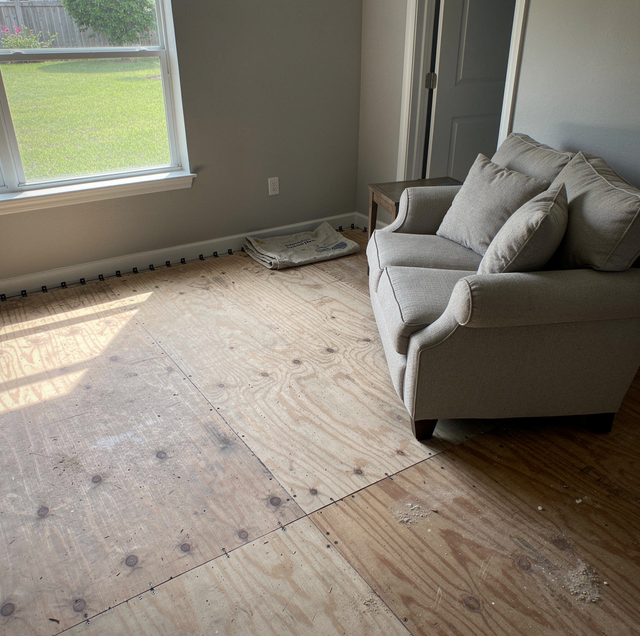
You've got a flooring installation date on the calendar, new material ordered, and old carpet still down on the floor. What often hasn't been settled is who is actually pulling it up, and when. That gap causes more schedule trouble than the removal itself ever does: a room that isn't ready on install morning doesn't just delay your project, it can push the flooring crew's whole week. Getting removal timed correctly starts with treating install day as fixed and working backward from there.
Install Day Is the Date That Doesn't Move
Everything about your flooring project revolves around one appointment: the day the new material is actually installed. The installer's crew, the delivery, and your room's readiness all get scheduled around that single date. Carpet removal isn't a separate event floating somewhere on the calendar; it's a task that has to land inside a window before install day, with enough margin to matter and not so much that the room sits stripped and idle longer than it needs to.
Treat the install date as fixed and work everything else backward from it: when you book removal, how much time the job actually takes, and what you need to confirm with the flooring crew before anyone pulls anything up. Get that sequence wrong, and the flooring crew either arrives to a room that isn't ready, or your room sits exposed to foot traffic for longer than it should.
That backward sequencing does more than avoid an awkward morning. It keeps your flooring installer's calendar from absorbing someone else's delay. Installers often have other jobs booked before and after your install date, and a room that isn't ready pushes their whole week, not just that one appointment.
Work Backward from There: How Much Lead Time Removal Needs
How much lead time removal needs depends on how much square footage you're having removed. A single room typically takes 1 to 3 hours on-site, short enough to often be booked close to your install date with minimal risk. A whole-house job covering multiple rooms changes that math considerably, since a job that size typically needs more than a single afternoon.
Count backward from install day rather than forward from today. A single-room removal has room to slide close to your install date if needed. A multi-room job needs a wider buffer between removal finishing and flooring starting, so a delay on either end doesn't collide with the installer's first morning on-site.
Crew availability, how many rooms are involved, and whether removal might spill into a second day all factor into how early you should lock in the date. The goal isn't to find the earliest possible removal slot; it's to find one with enough space afterward that a short delay doesn't turn into a missed install.
What has to physically clear your room before removal can start, furniture and baseboards among it, affects how much lead time removal needs.
The scheduling question: not "when can removal happen," but "when does removal need to be finished by."
Confirm What the Installer Wants Left Behind
Before you book removal day, there's one coordination point that decides what "done" actually looks like: does your flooring installer want the tack strips and staples pulled, or left in place? Some installers want a completely bare sub-floor to start from. Others plan their install around tack strips staying put, particularly when new carpet is going back down over the same layout.
That answer needs to come from your flooring installer directly, not be assumed. Getting it settled before removal day means the crew clears the room to the right condition the first time, instead of you needing a second visit because the wrong thing got pulled or left behind. Putting that answer in writing, even as a quick text or email confirmation, means you're not relying on memory on removal day itself.
Some flooring installers include old carpet removal in their installation contract rather than expecting the room to already be cleared, so it's worth confirming which applies to your installer before you book removal separately.
Get the installer's answer in writing about tack strips and staples, along with a photo of the room, so the removal scope is set before the crew gets booked.
Removal the Day Before vs. the Morning Of
Both options can work. Which one fits depends on how much buffer your project has and how much risk you're comfortable with if either crew runs long.
| Factor | Removal the Day Before | Removal the Morning Of |
|---|---|---|
| Buffer if removal runs long | A full day to absorb delays | Little to none before the installer arrives |
| Room sits exposed | Overnight, to foot traffic and dust | Not at all; flooring starts right after |
| Best fit | Multi-room jobs, tighter room-by-room sequencing | Single-room jobs with a predictable scope |
| Coordination needed | Confirming access for two separate crew visits | Confirming both crews' arrival windows line up |
There's no single right answer to that split; it depends on your room count, how tight your overall renovation calendar is, and how much risk either side of the project can absorb without falling behind. Neither column is automatically the safer choice. A single room removal on the morning of an install can go smoothly precisely because the scope is small and predictable. A multi-room job removed the day before provides a delay to go to without pushing into the installer's start time.
If removal occurs a day or more before the flooring installation, exposed tack strips and any missed staples along the perimeter pose a real puncture and trip hazard until the new floor covers them. Keep your room closed off in the meantime.
Where the Handoff Breaks Down
A carpet crew and a flooring crew are two shifts working the same job, and the changeover only holds up if the first shift's work is actually finished when the second shift clocks in. A relay handoff doesn't fail because either runner is slow; it fails because the baton changes hands at the wrong moment. The same is true on a flooring project: both crews can be good at their work, and the schedule can still fall apart if the exchange point between them isn't set with enough margin on your project.
If removal runs long, or the wrong thing got left behind because nobody confirmed it ahead of time, the flooring crew arrives in your room before it's ready and the handoff drops.
The fix isn't more urgency on the morning of installation. It's setting your removal date and scope early enough that there's room to recover if something runs past its window, and confirming the one open question, staples in or out, before that date arrives rather than during it.
Frequently Asked Questions
A whole-house job covering roughly 4 to 6 rooms typically takes 1 to 2 workdays, depending on your total square footage.
Glued-down padding, a room the furniture can't fully clear, or staples driven into a plank sub-floor instead of concrete all push a single-room removal toward the top of that range.
When the schedule allows, pre-listing carpet removal typically runs within 24 to 72 hours of an accepted estimate.
Same-day and next-day pickup is common when the schedule allows, which matters when your flooring install date gets moved up on short notice.
The sub-floor is swept and the area broom-cleaned before the crew leaves, so your room is ready to hand off without extra cleanup.
A complete removal visit covers the carpet, the padding underneath, the tack strips, staple removal, and hauling and disposing of it all, handled in the same visit rather than a separate pickup.
If the install date is already on the calendar — carpet, padding, tack strips, and staples can be gone before the flooring crew needs the room. Polk Services LLC serves Lakeland, Highland City, and Mulberry. Call (863) 344-5806.
