

Dust Suppression for Gravel Driveways: 6 Tactics That Work
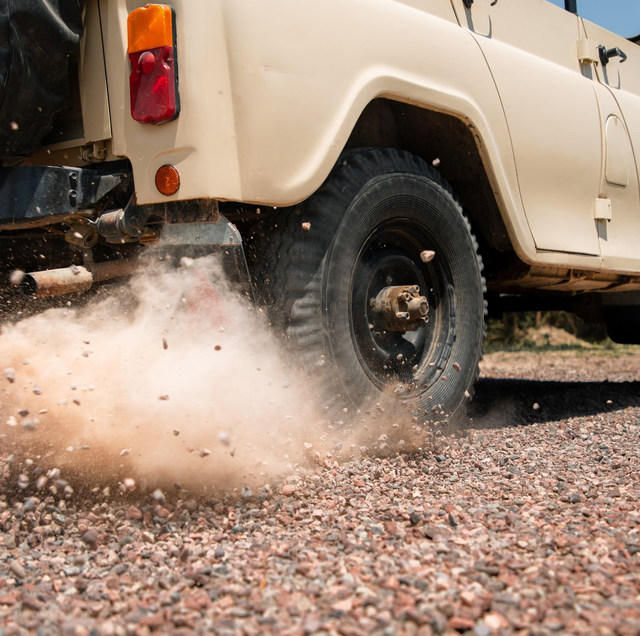
A long gravel driveway kicks up more dust than a short one simply because there's more exposed surface and more distance for tires to grind fines loose before a vehicle ever reaches the garage. Once that dust starts drifting onto parked cars, porches, and garden beds, most homeowners try a quick hose-down and call it solved, then wonder why the cloud is back within a day. The fixes that hold up over time are less about a single product and more about how you water, how the surface is built, and how vehicles move across it.
Why Long Runs Dust More Than Short Ones
Every gravel surface sheds a certain amount of fine material, the sand- and silt-sized particles mixed in with the stone, as tires roll over it. On a short driveway, that dust settles close to the road and gets tracked away. Over the long run, that same grinding happens over and over along the whole length, and there's more open surface for the wind to lift the loosened fines once they're dry. What determines whether that dust stays on the ground or ends up on your windshield comes down to moisture, compaction, wind exposure, and how fast vehicles are moving when they cross it.
Watering That Keeps the Surface Damp, Not Just Wet
A quick spray from a garden hose wets the top quarter-inch of gravel and looks like it worked, but that thin layer dries out again within an hour or two on a warm, breezy day, and you're back where you started.
Soaking depth: The point isn't how deep the dust itself sits; it's how long the surface stays damp. Moisture worked a couple of inches down keeps wicking back up after the top layer dries, instead of the whole soak evaporating within the hour. That usually means running a sprinkler or soaker in one spot for several minutes rather than walking a hose back and forth.
Timing: Watering in the early morning or evening, when it's cooler and less windy, gives the moisture time to soak in before the sun and heat pull it back out. Watering the whole driveway once and hoping it lasts a week doesn't work the way it does on a lawn; gravel drains and dries faster than soil, so shorter, more frequent soakings of the worst stretches beat one heavy soaking of the whole thing.
A Well-Compacted Surface Sheds Far Less Dust Than a Loose One
Loose, uncompacted gravel has more surface area exposed to tire contact and wind, which is exactly what generates fine dust in the first place. A properly compacted base, where the fines have been rolled or tamped in tight around the larger stone, locks that material down so there's less of it free to break loose and drift. This is one of the biggest differences between a driveway that dusts constantly and one that barely does, and it has nothing to do with how often you water. A thin cap layer of slightly larger, angular stone over a compacted base also helps: the larger pieces interlock and resist grinding under tires, while the compacted fines beneath stay put rather than working their way to the surface. If your driveway has never been properly compacted, or the base has washed out and gone loose in spots over the years, that's usually a bigger factor in ongoing dust than the type of gravel on top.
Wind Exposure Matters More on a Long, Open Driveway
A short driveway tucked near a house or fence line has some natural shelter. A long driveway running through open yard or field doesn't, and wind can lift loose dust off the surface and carry it well past the property line even when there's no vehicle on it at all. Windbreak placement: a row of shrubs, a section of fence, or even a stand of trees along the windward side of a long, exposed run can reduce how much loose dust gets airborne between waterings, especially in spots where the driveway crosses open ground with nothing blocking the prevailing wind. This isn't a fix you install overnight, but for a driveway that dusts badly every dry stretch regardless of watering, changing what's around it can matter as much as changing what's on it.
Slower Vehicles Kick Up Noticeably Less Dust
Tire speed is directly related to how much fine material is thrown into the air. A vehicle rolling at 5 to 10 mph disturbs the surface gently; the same vehicle at 25 mph grinds and flings loose material well beyond the driveway edges. This is one of the easiest things to control and one of the most overlooked, because it costs nothing and doesn't depend on weather or maintenance schedule at all. On a long driveway where there's room to build up speed before reaching the house, posting a low-speed reminder near the entrance or simply asking regular visitors, delivery drivers, and family members to ease off can measurably reduce the amount of dust generated on any given day, dry stretch or not.
Specialty Dust-Palliative Products, Handled With Care
Products like calcium chloride, magnesium chloride, or lignin sulfonate are sometimes applied to gravel surfaces specifically to bind fines and cut airborne dust, and they're worth knowing about even though applying them isn't something you'd do yourself with typical homeowner tools. These are jobs for a specialty applicator who works with that particular product, since application rates, weather timing, and reapplication schedules vary by product and by surface. Before anyone applies a chemical suppressant to your driveway, it's worth checking with the applicator and, if you're on a well or septic system or near a pond, stream, or other water body, confirming the product's compatibility with those systems rather than assuming any dust-control product is automatically fine to use nearby. That's a conversation to have directly with the product's manufacturer or the applicator, not something to guess at.
Building a Maintenance Rhythm That Holds Up
Dust control on a long gravel driveway is closer to mowing than to paving: it's maintenance you keep coming back to, not a step you finish once and forget. During any stretch without rain, and where local watering restrictions allow it, a short soaking of the driest, most-traveled sections a couple of times a week beats a single heavy watering, and checking for spots where the base has gone loose or washed thin lets you catch a compaction problem before it turns into ruts and worse dust. A driveway that's been graded, compacted, and topped correctly to begin with needs far less day-to-day intervention than one that's just had gravel dumped and never properly built up.
Frequently Asked Questions
Lighter-colored limestone tends to show dust more visibly against dark vehicle paint than darker granite or trap rock, even when the actual amount of loose fine material is similar, so a driveway that looks dustier isn't always shedding more material; it may just be showing it more.
Wait until there's no standing water or visible sheen left on the surface rather than watching the clock; driving over gravel while it's still saturated on top can push fines into ruts and create low spots that hold water and loosen the base faster than dry traffic would.
Only if the new layer is compacted in; dumping loose material over an already-loose base just adds more loose fines on top without addressing why the surface is shedding dust, and it can make ruts worse until it's rolled or tamped down properly.
A washboard, rippled feel underfoot alongside the dust is the tell: it means the surface has loosened enough that tires are bouncing and grinding instead of rolling smoothly, which usually points to a base that's lost its compaction and needs to be reworked rather than just topped off with fresh stone.
Both, on a delay. A windbreak cuts airborne dust for years before its own roots become the problem: root growth under the driveway surface can eventually disrupt compaction and create soft, uneven spots, so a setback from the edge when planting matters as much as the windbreak itself.
Heavier vehicles like trucks and trailers compress and grind the surface fines more per pass than a sedan does, even at the same speed, which is part of why driveways serving delivery trucks or heavier equipment tend to need base maintenance more often, regardless of watering habits.
Get your gravel driveway regraded and compacted right — the fastest way to cut how much dust the surface makes in the first place. Polk Services LLC serves Lakeland, Highland City, and Mulberry. Call (863) 344-5806.
